ARTIST STATEMENT
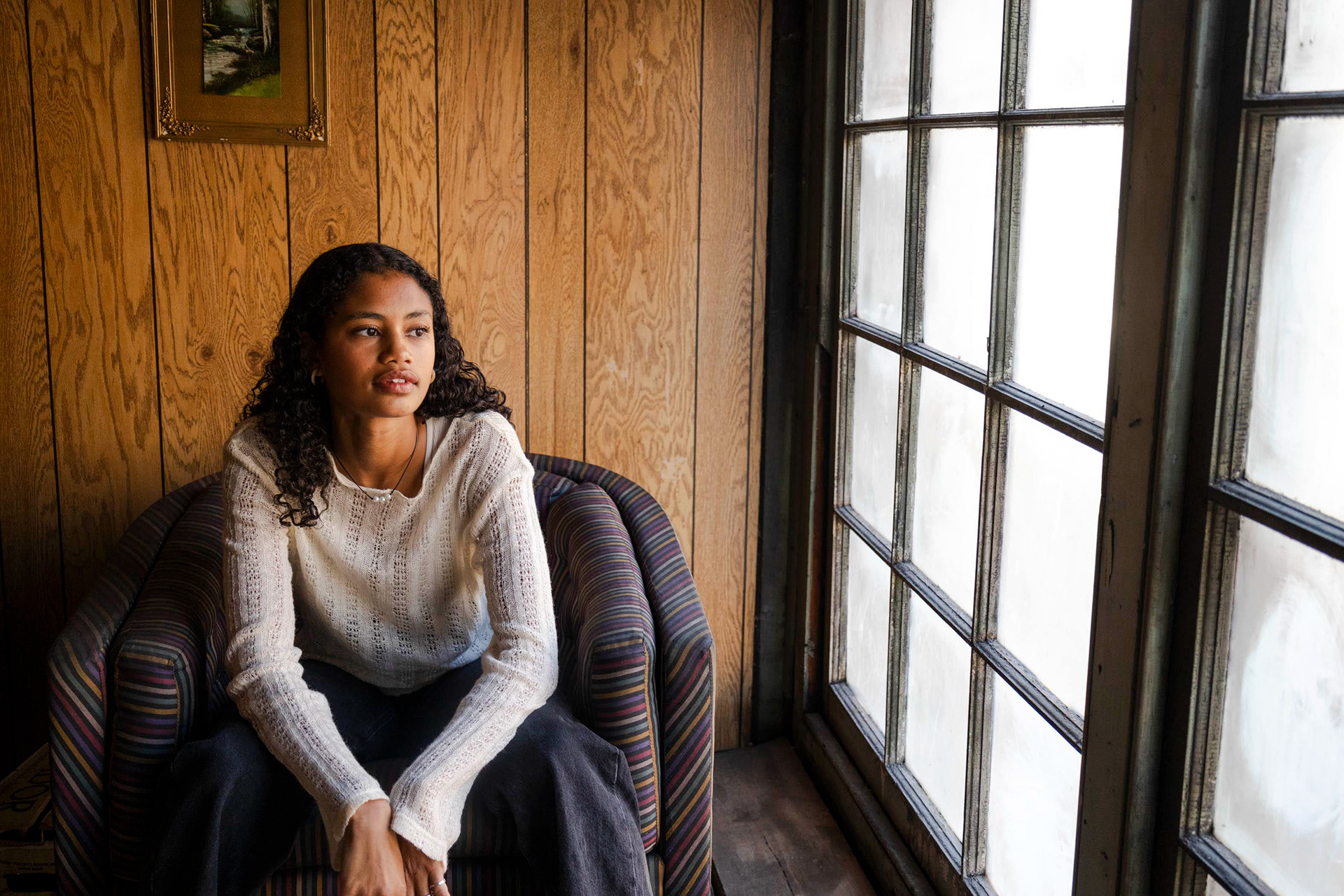
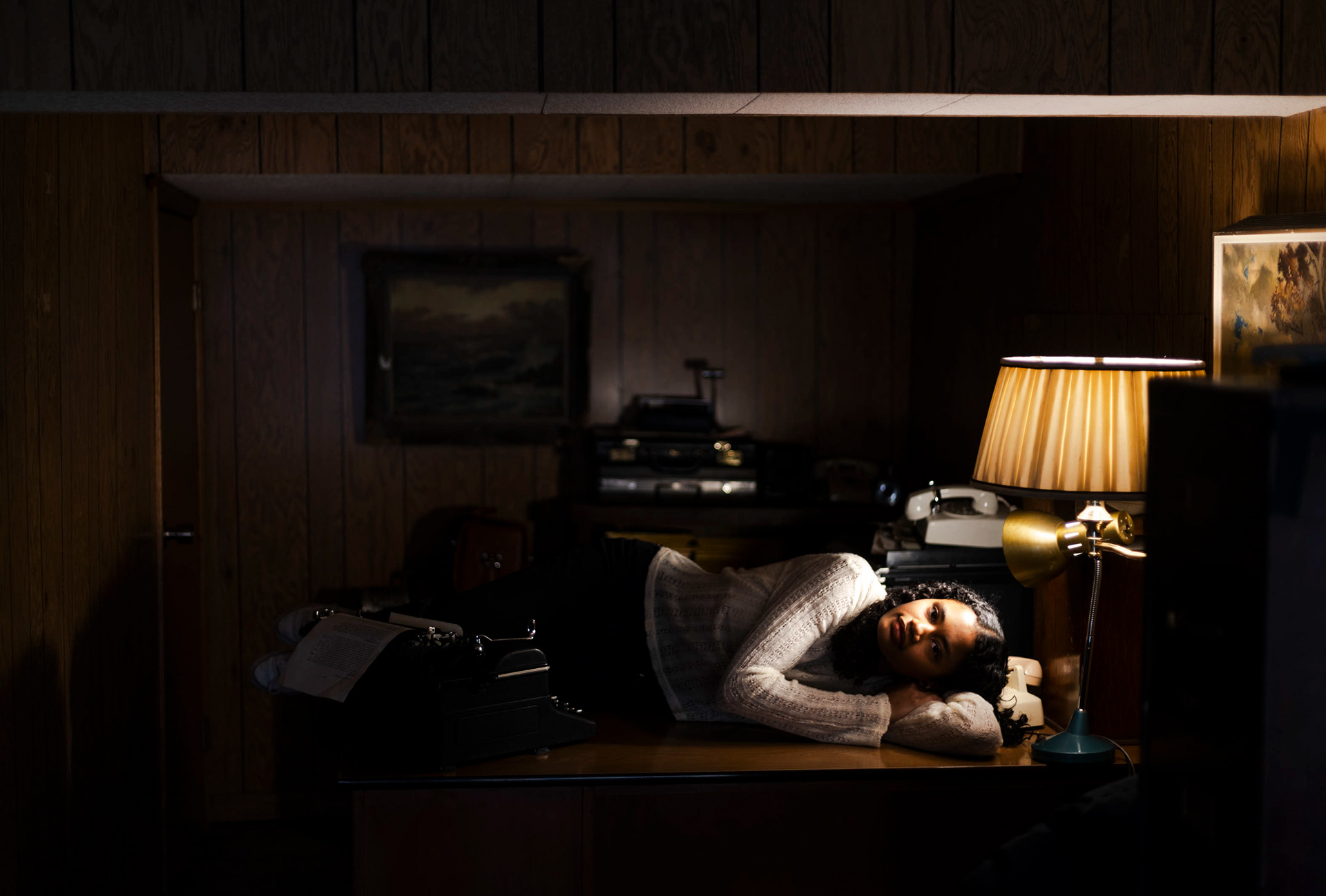
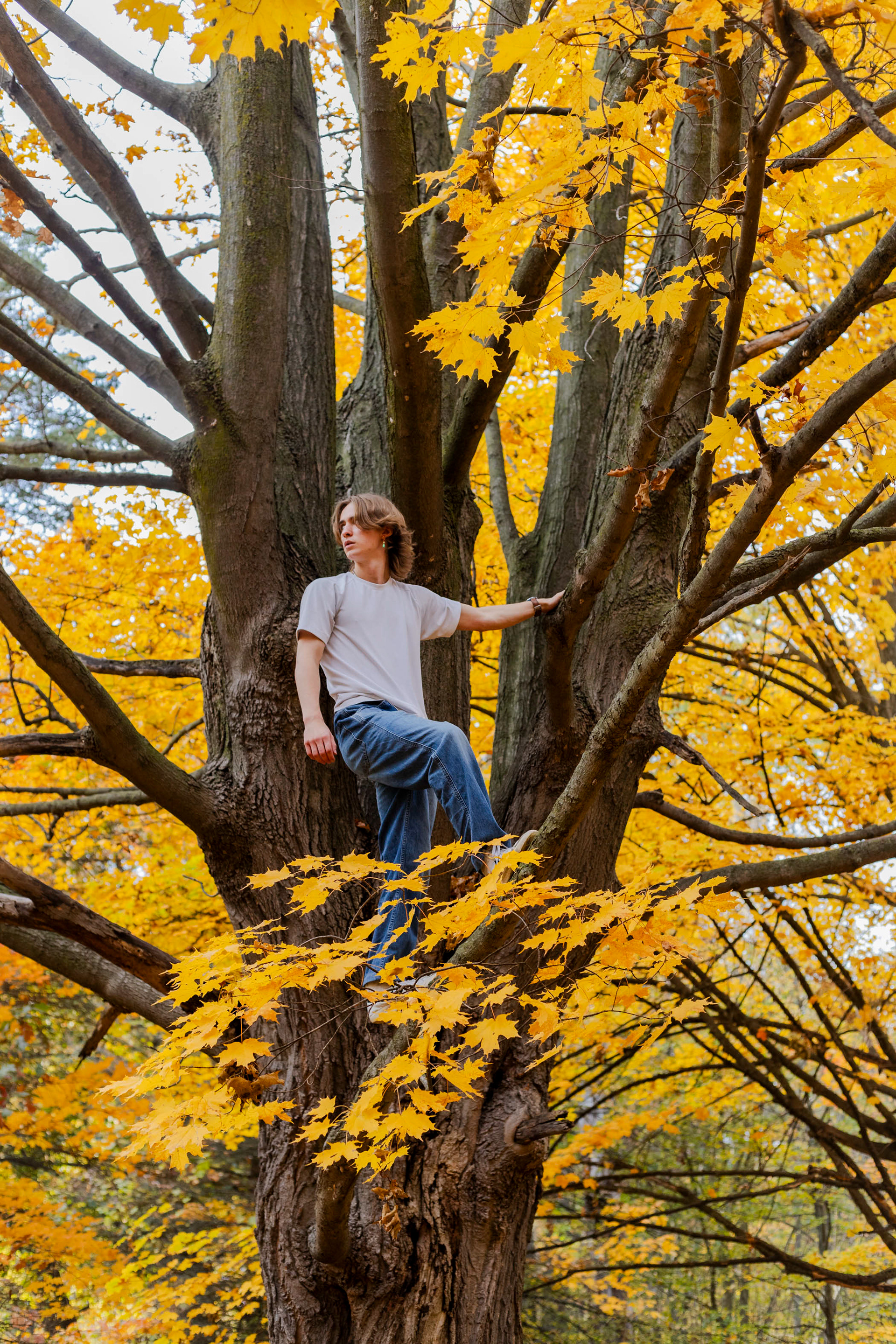
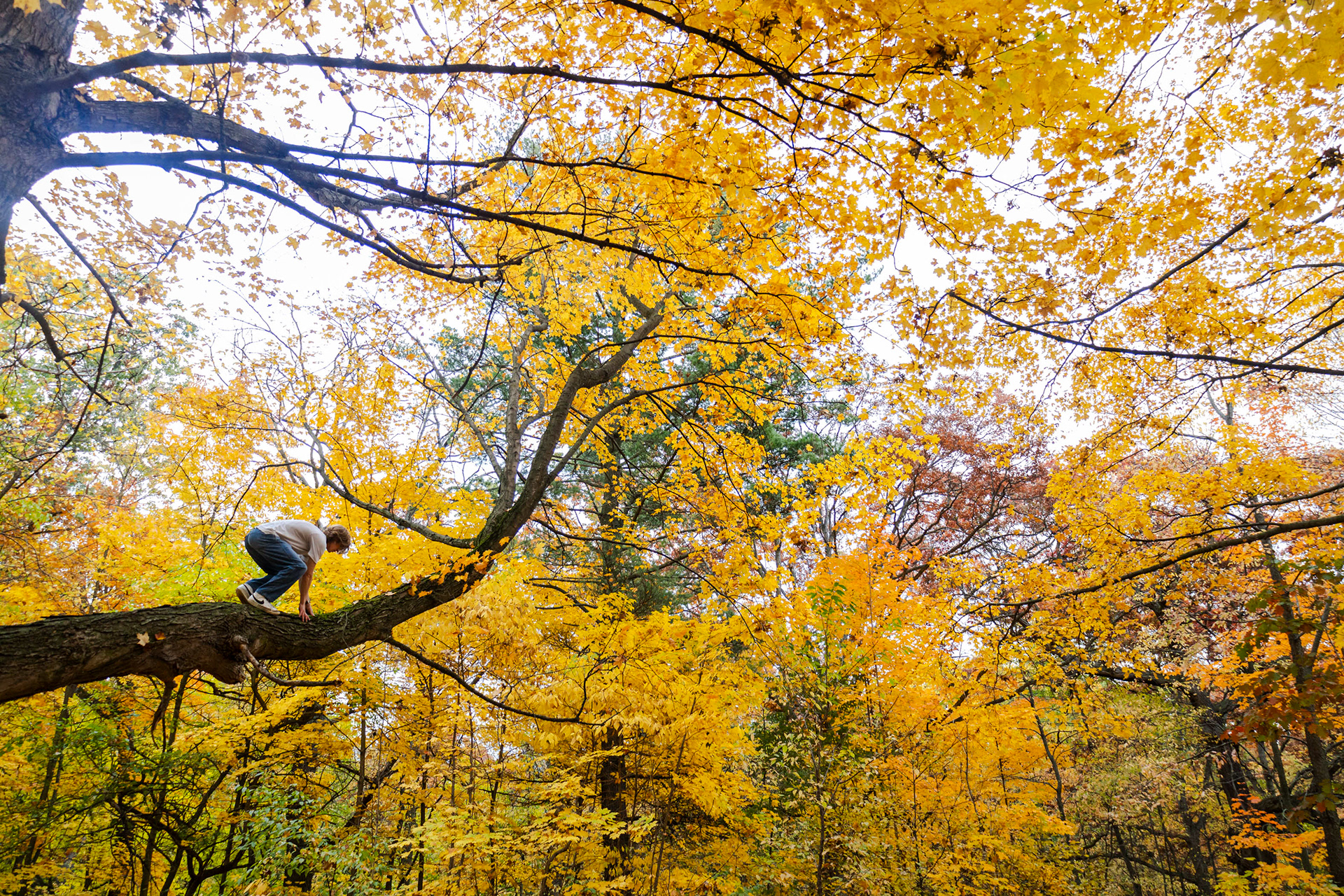
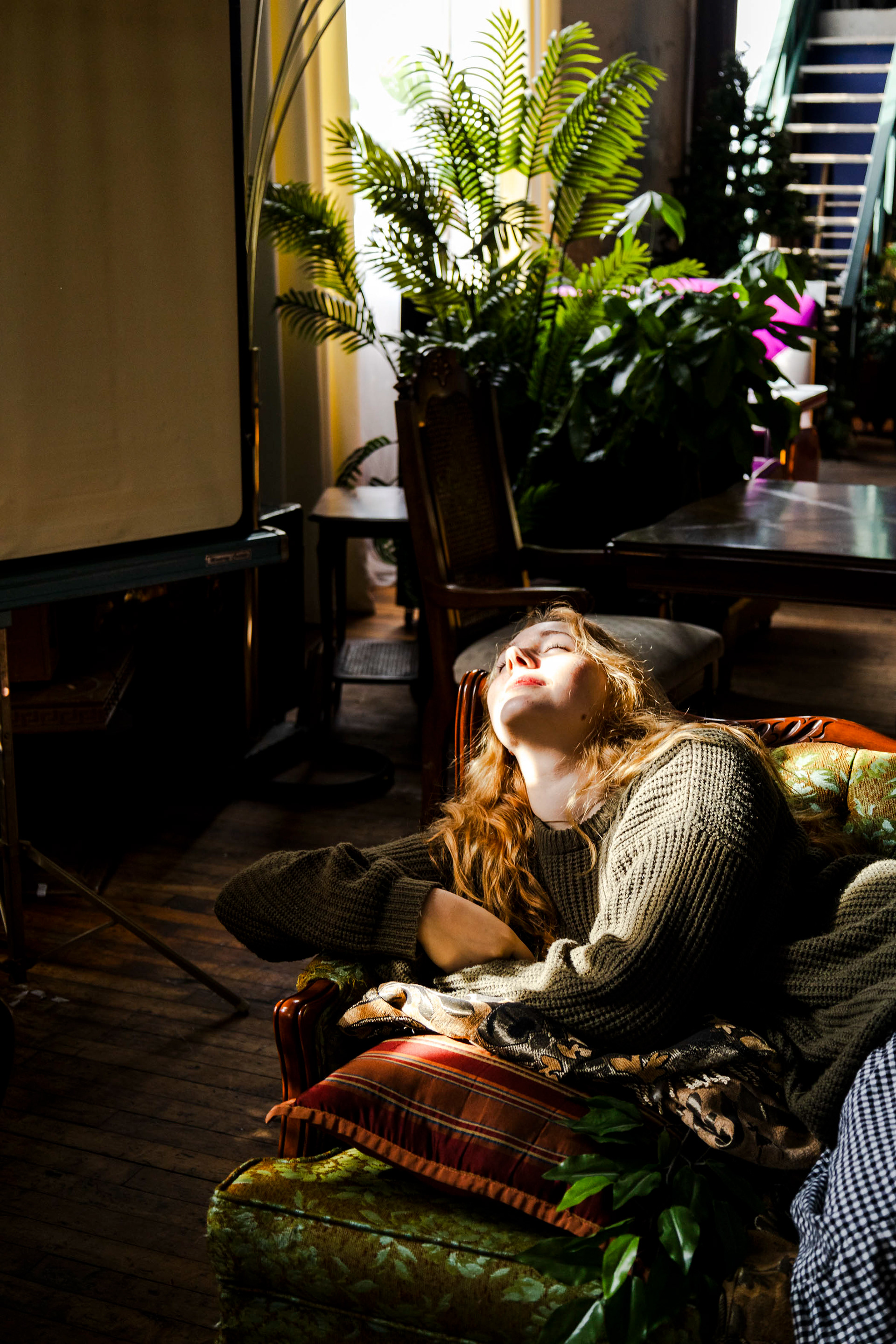
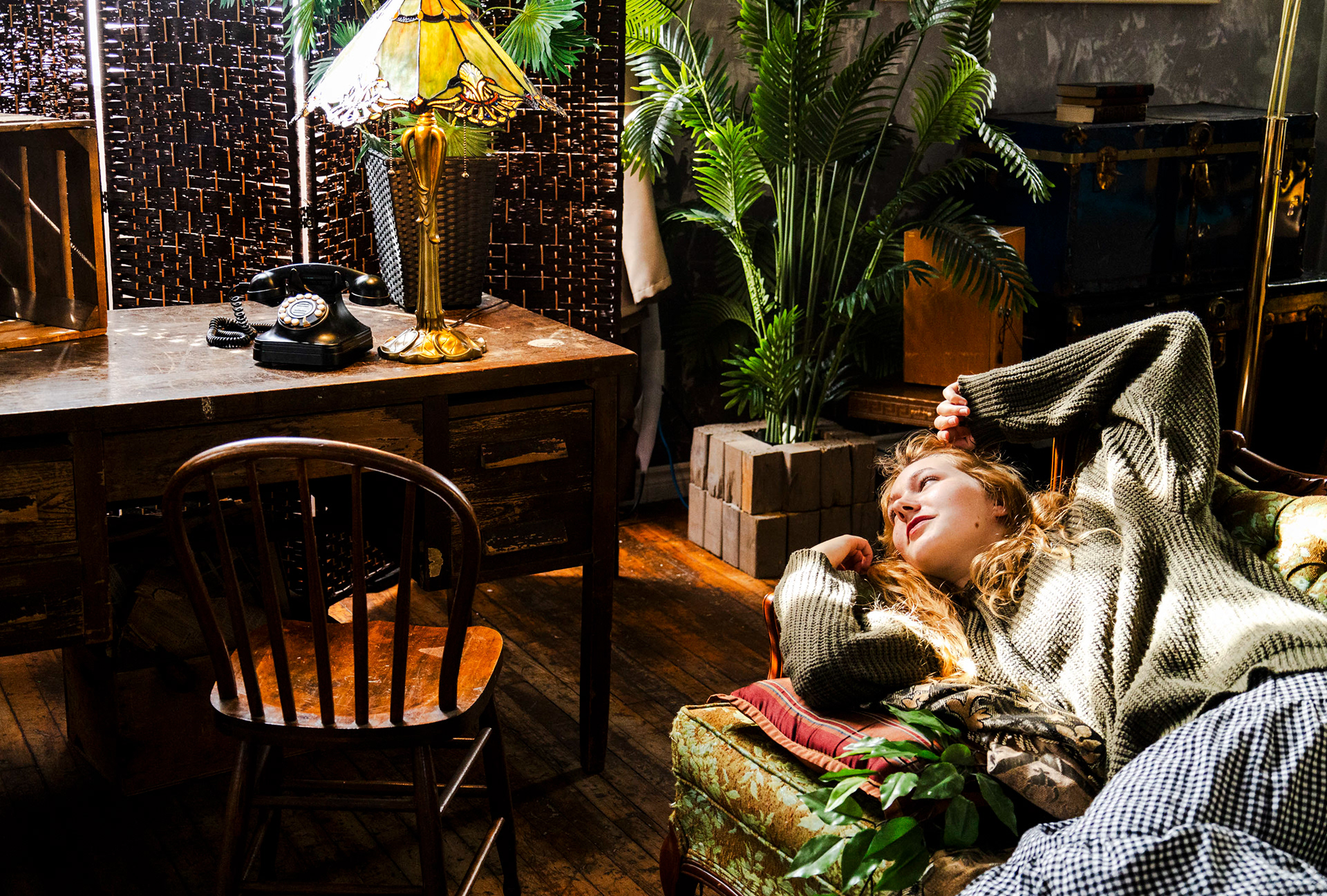
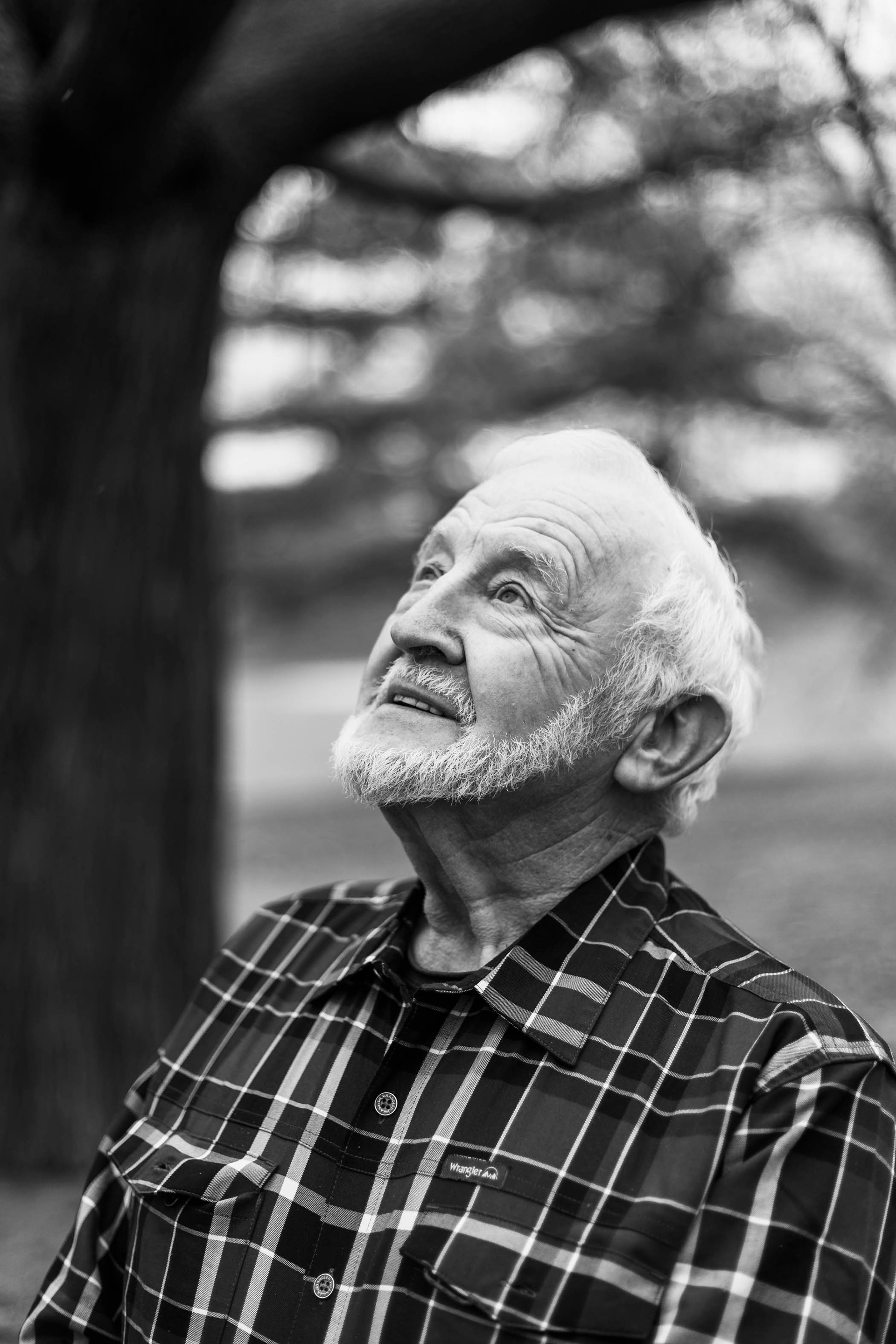
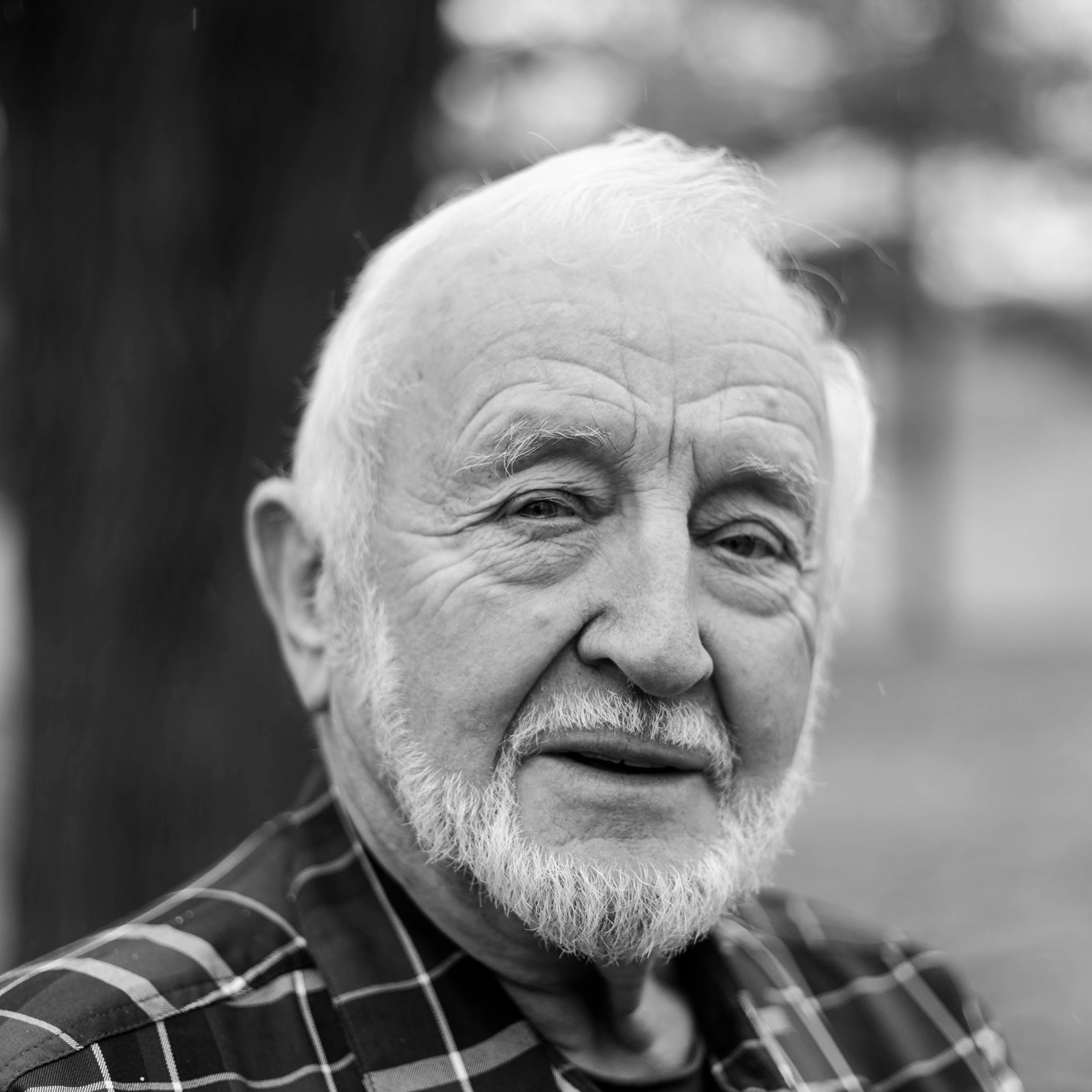
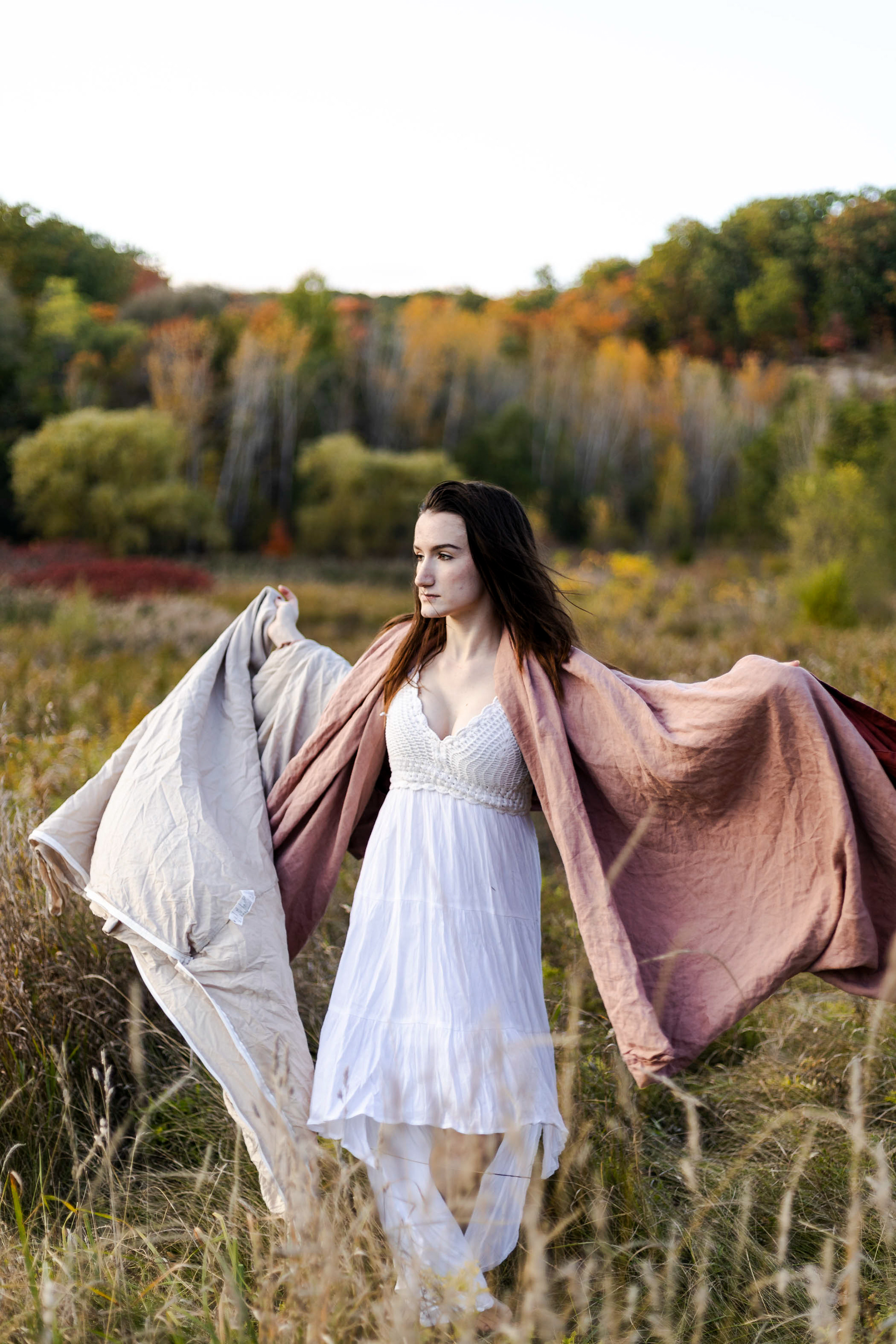
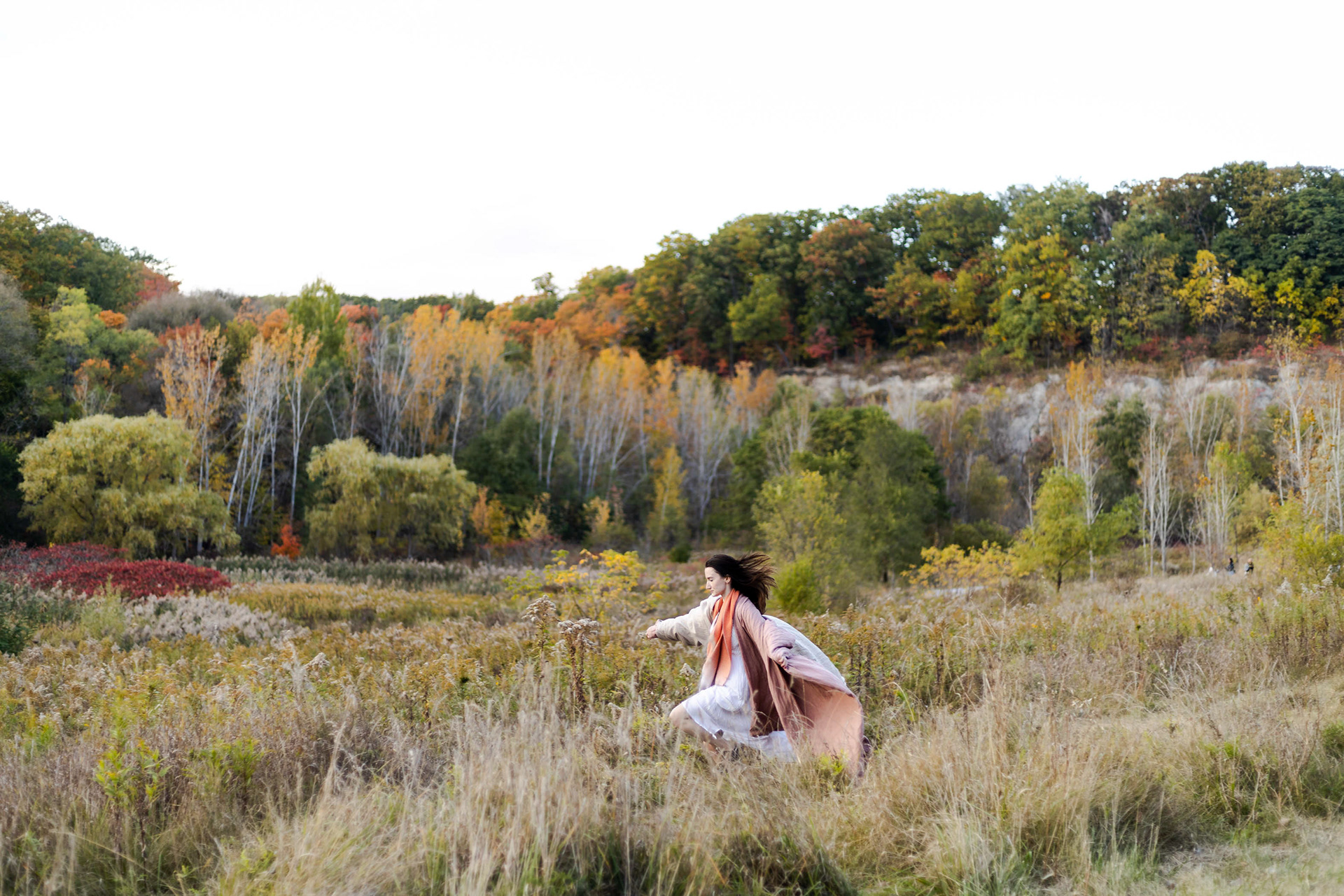
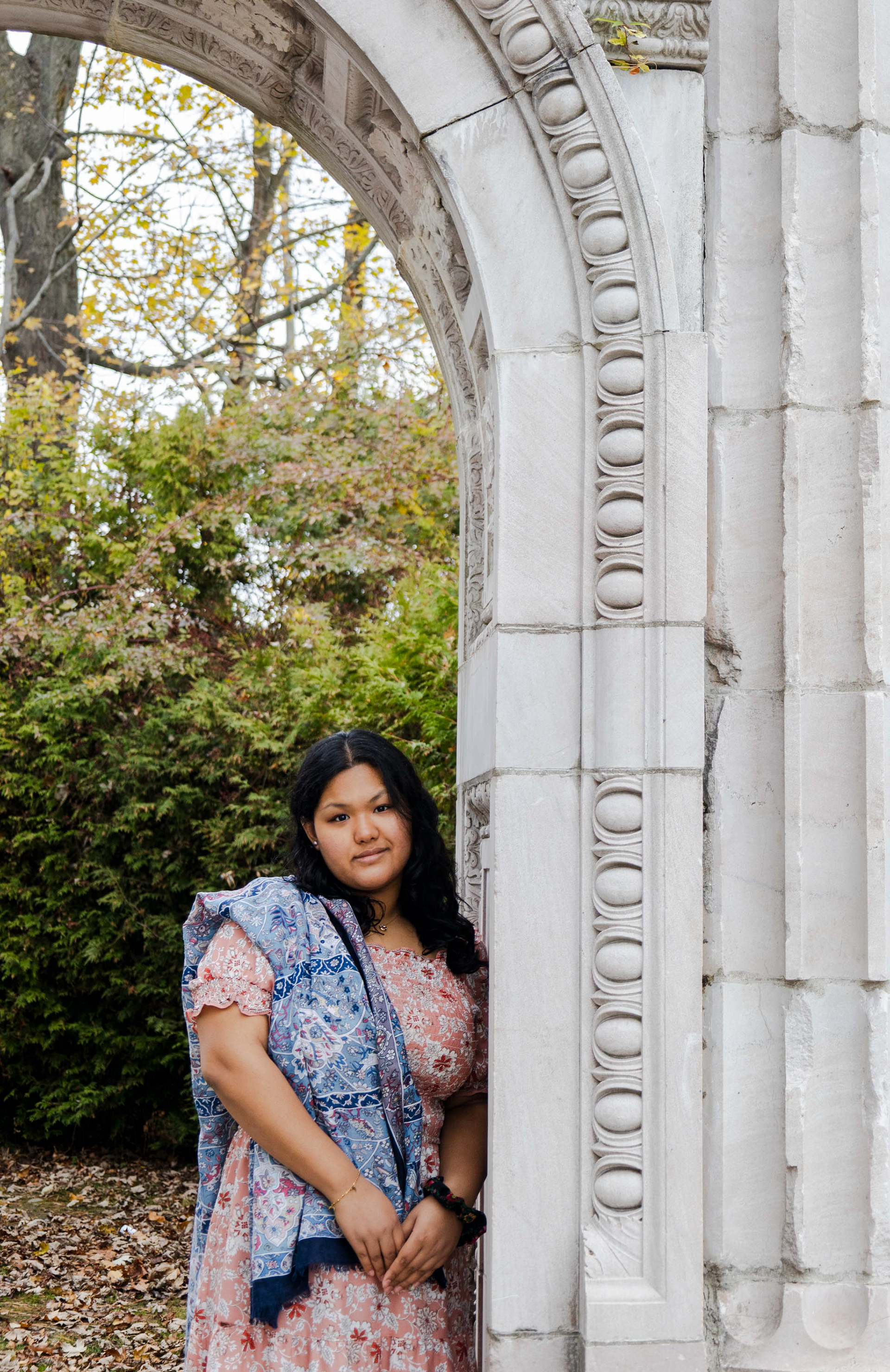
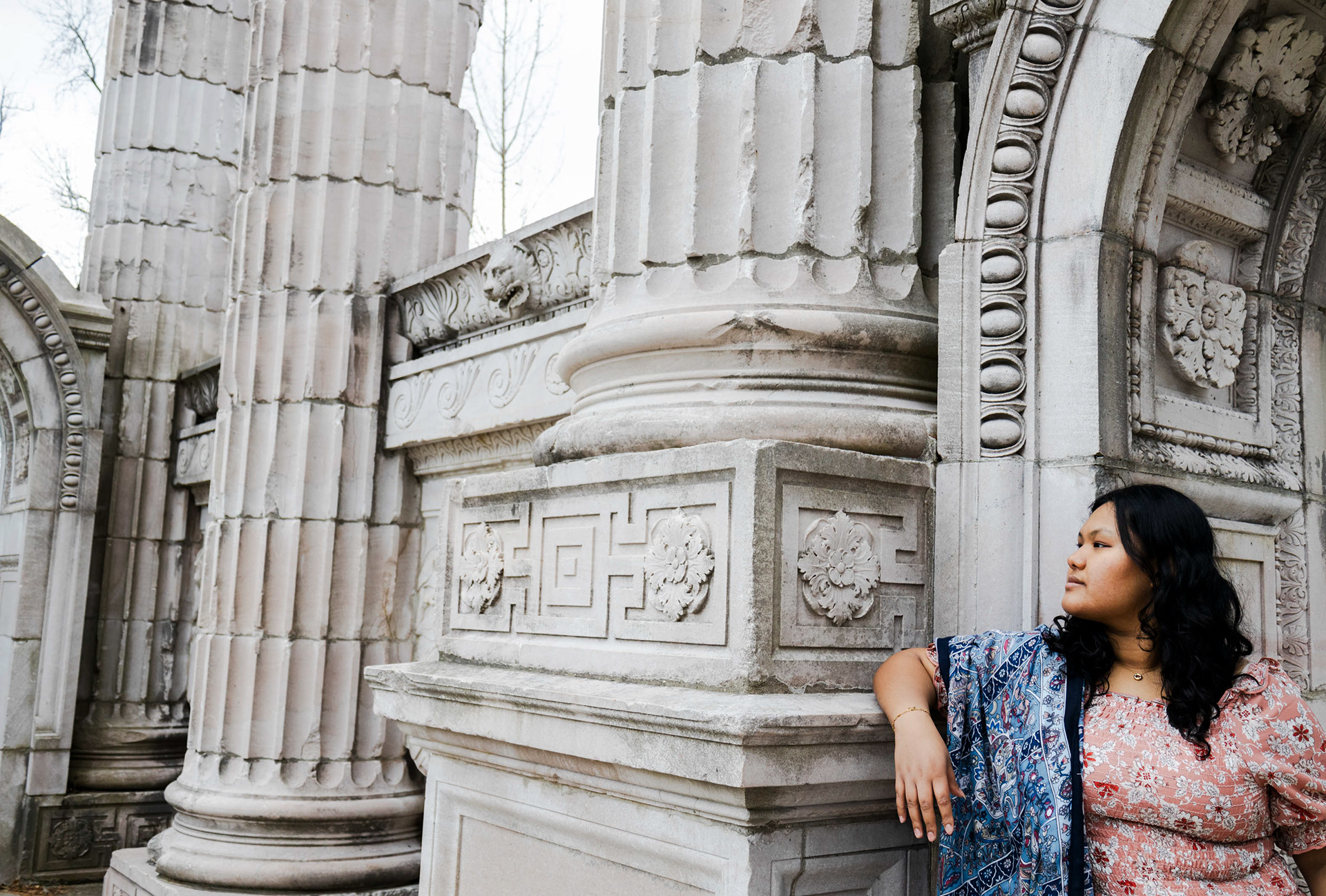
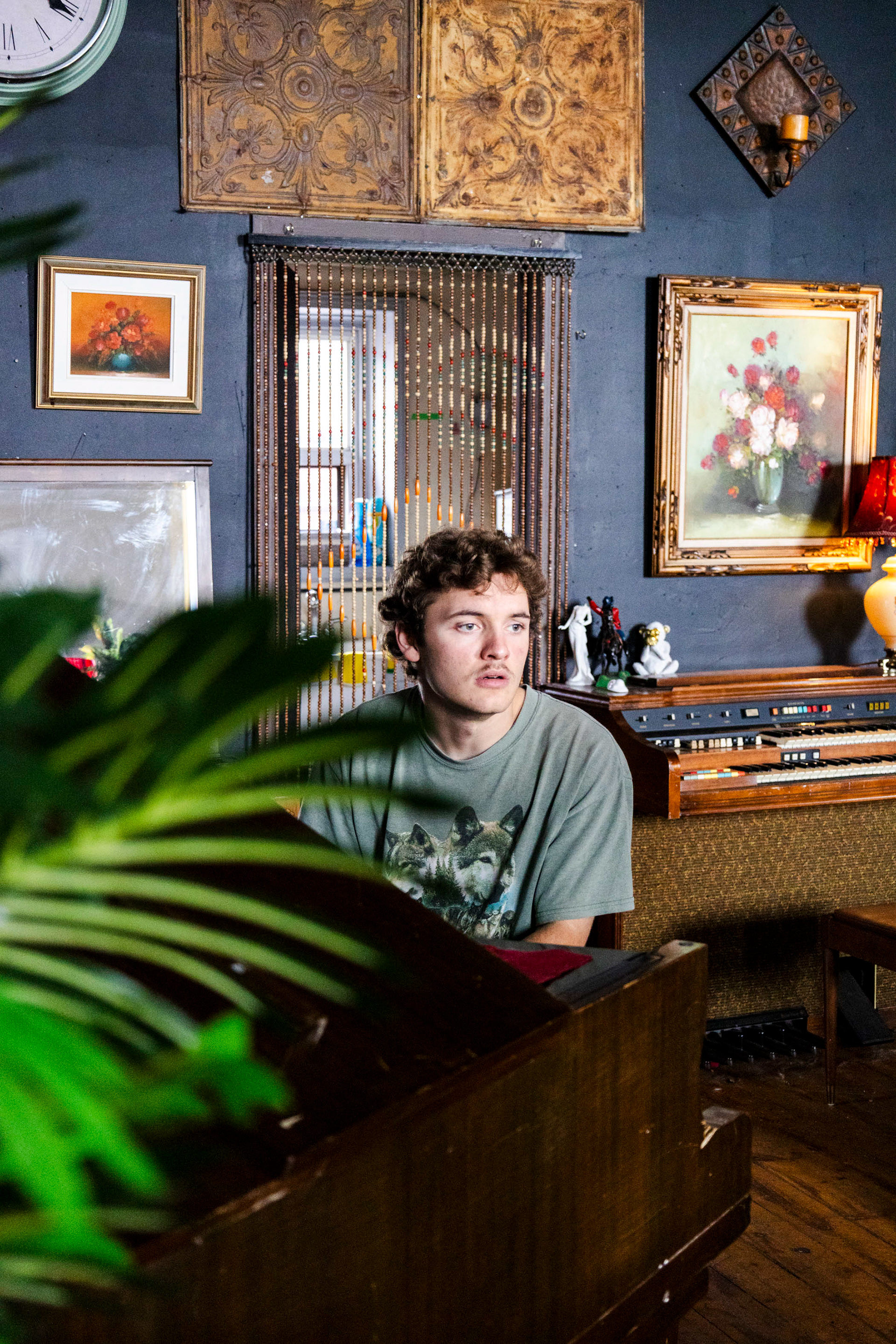
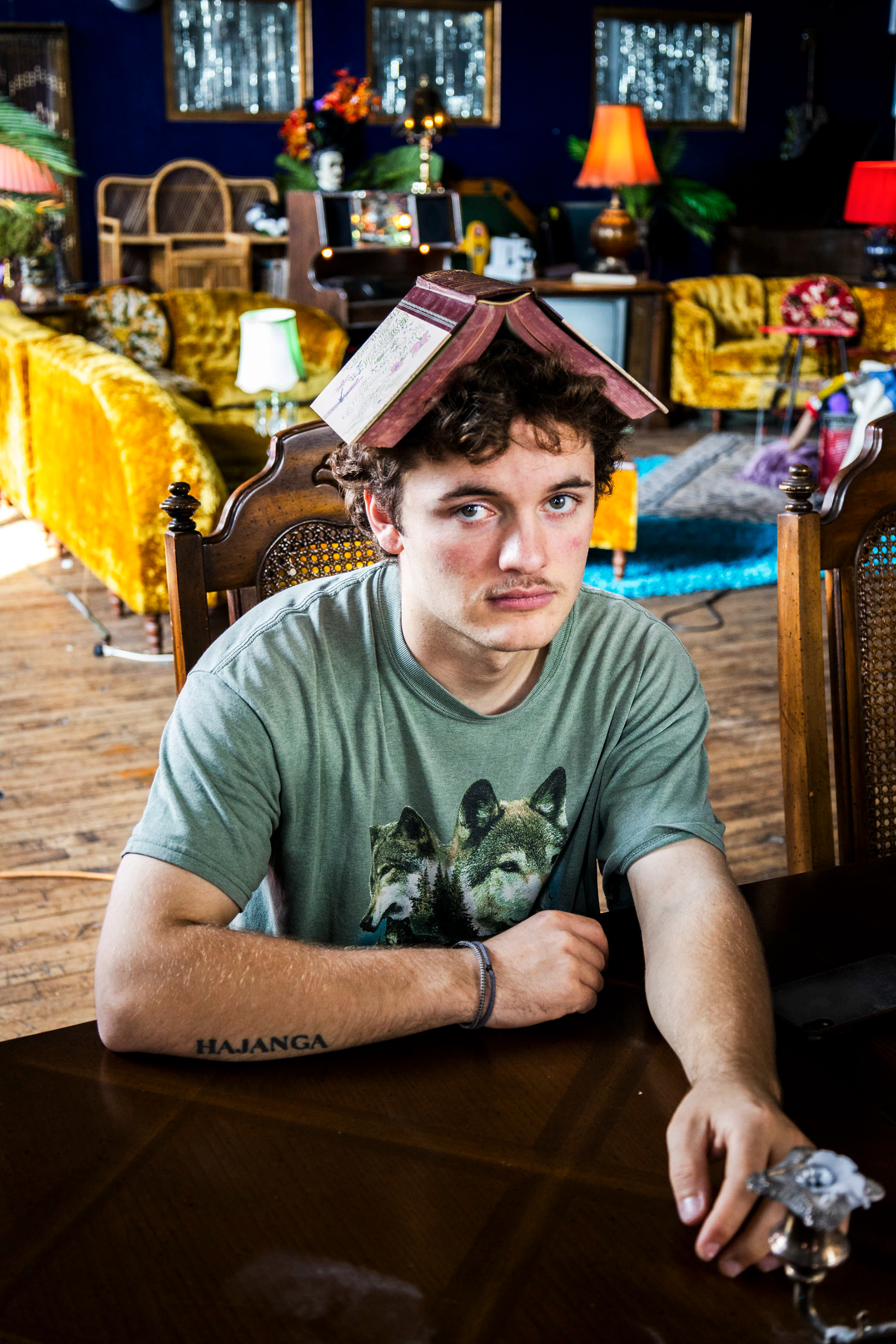
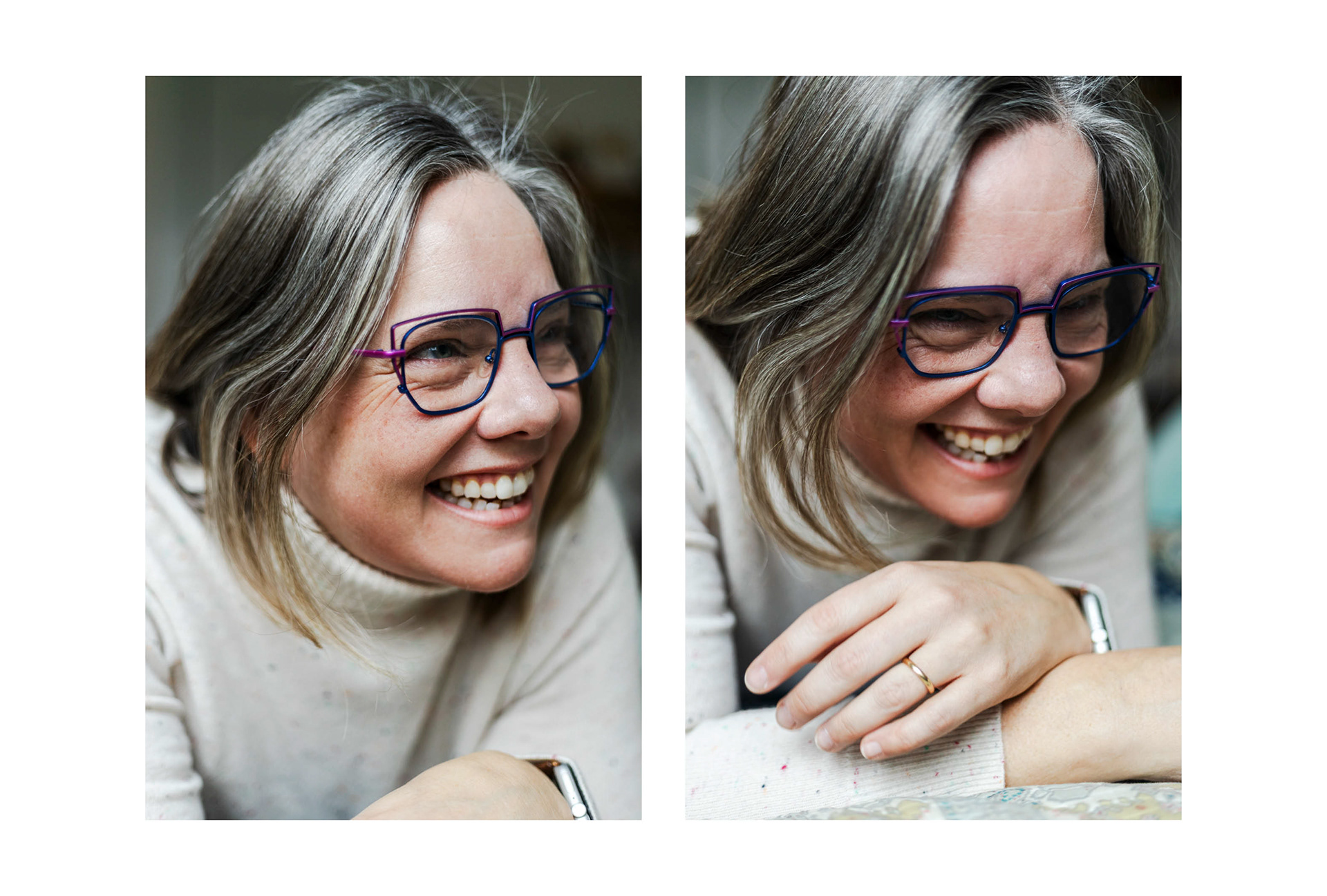
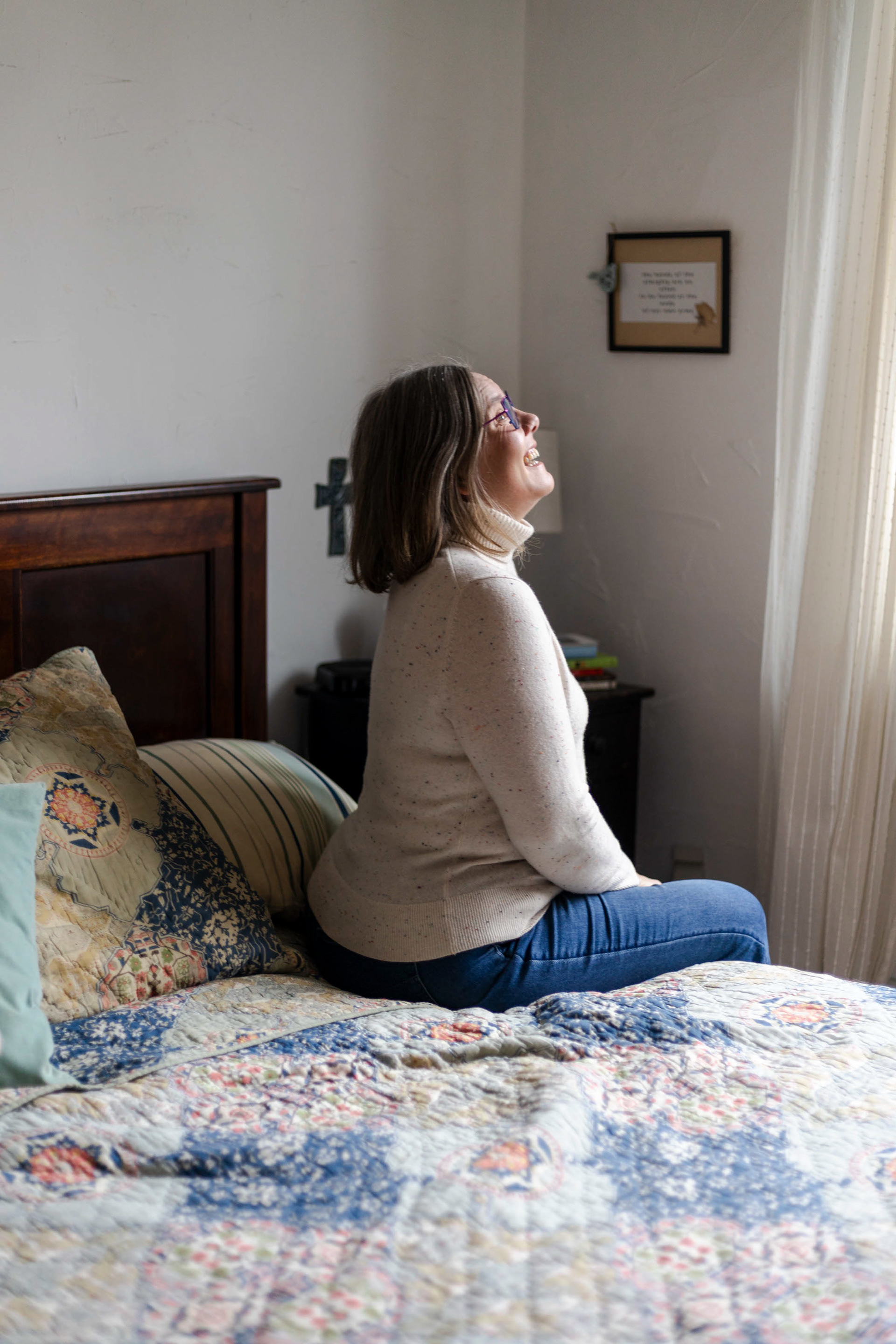
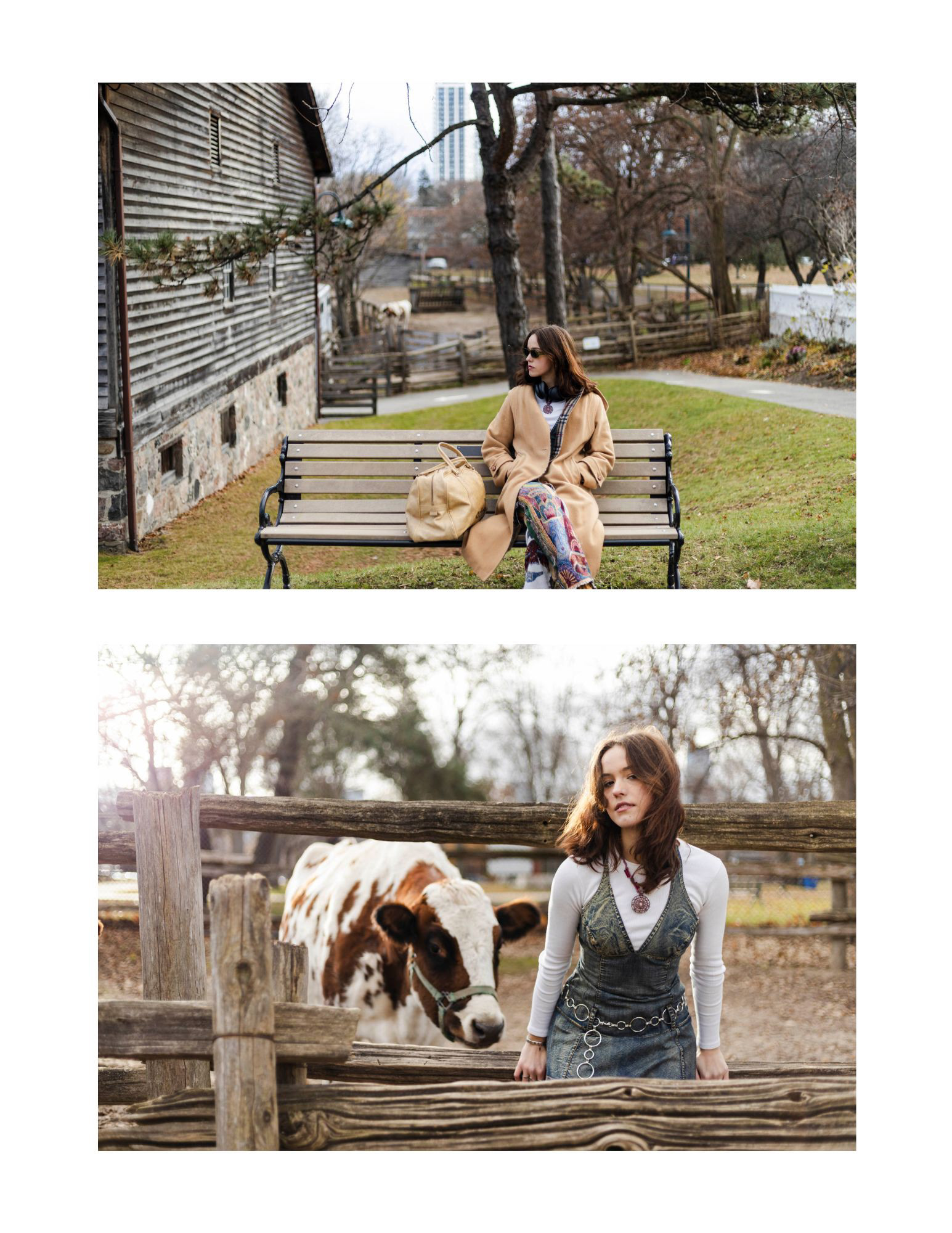
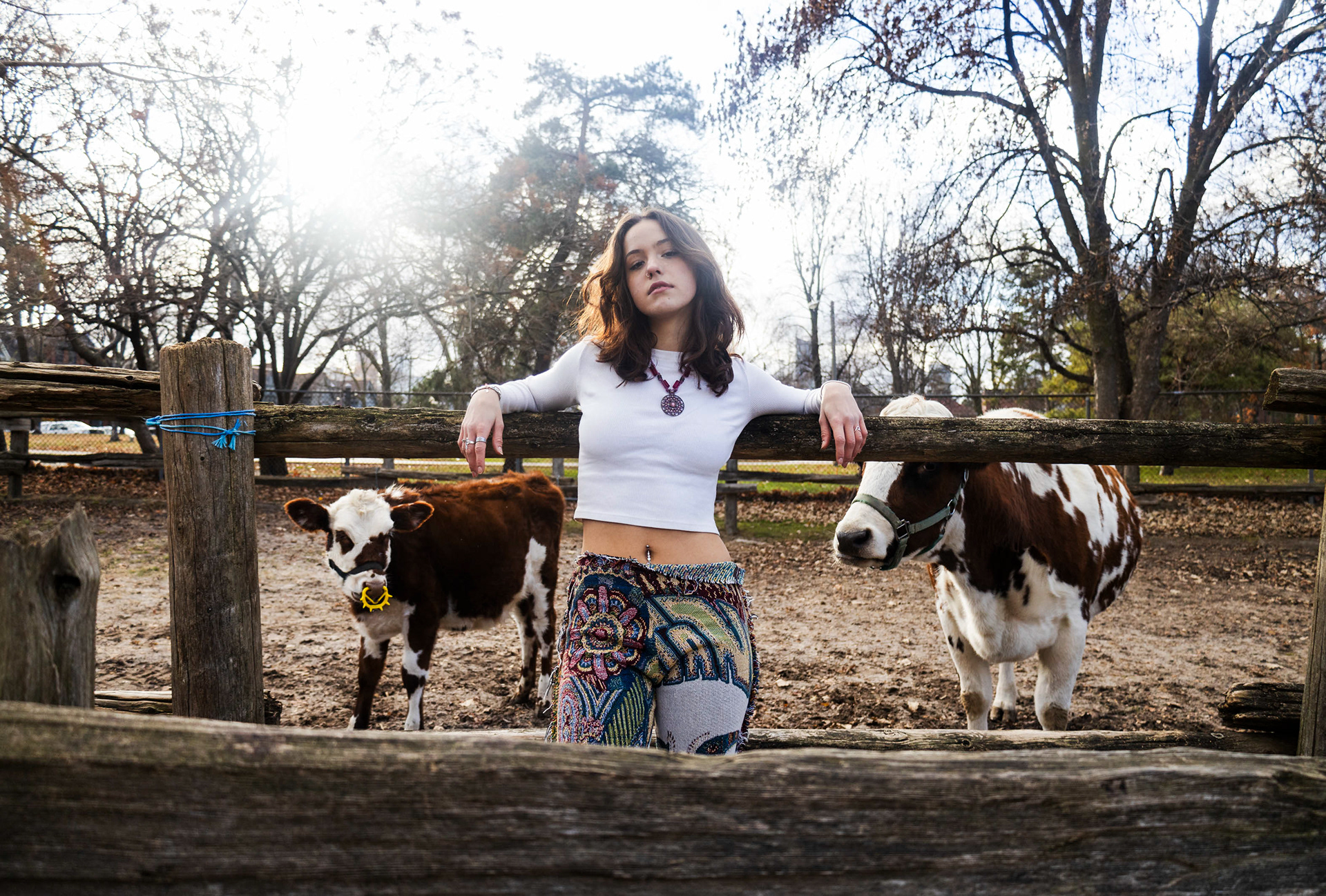
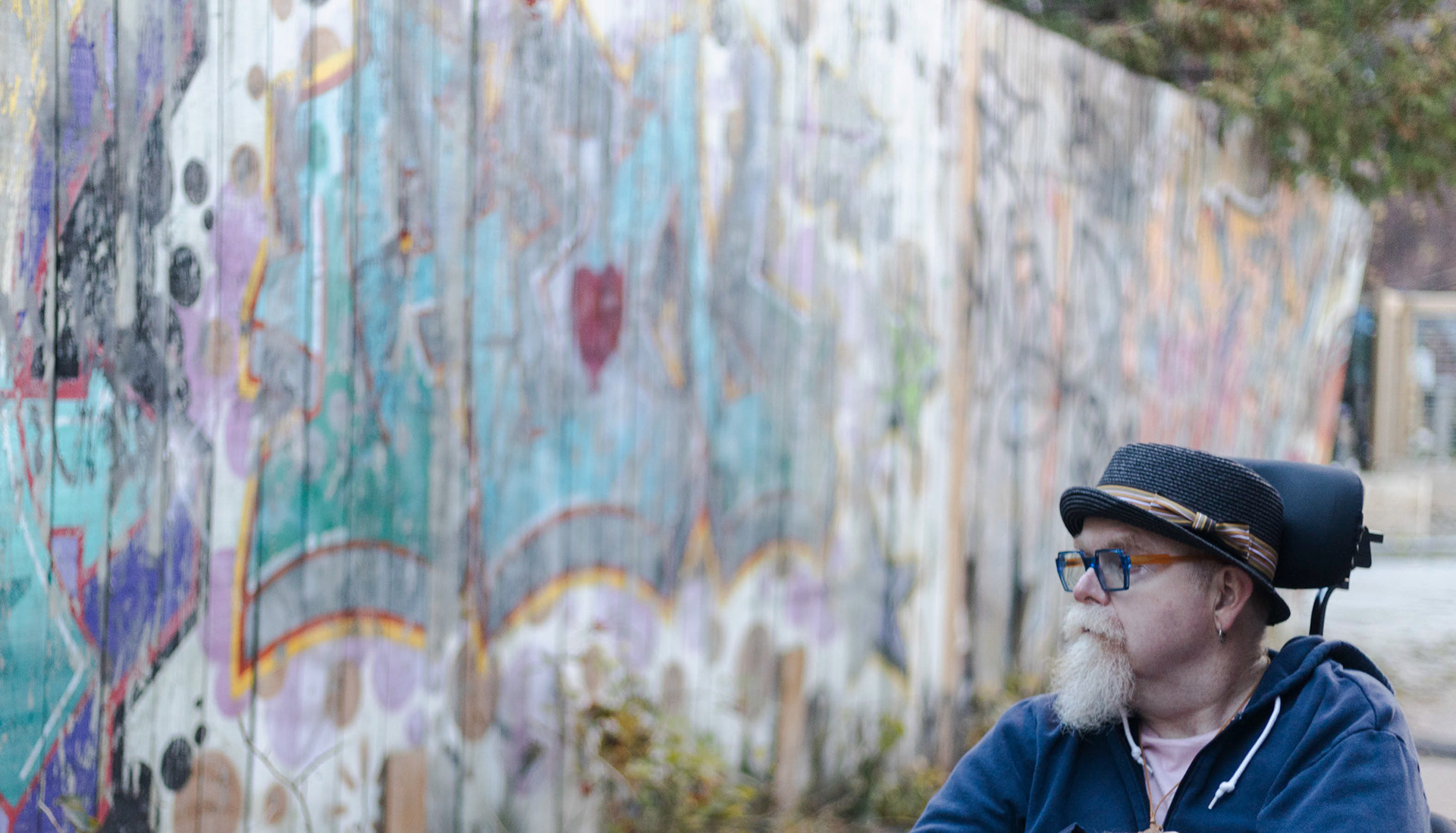
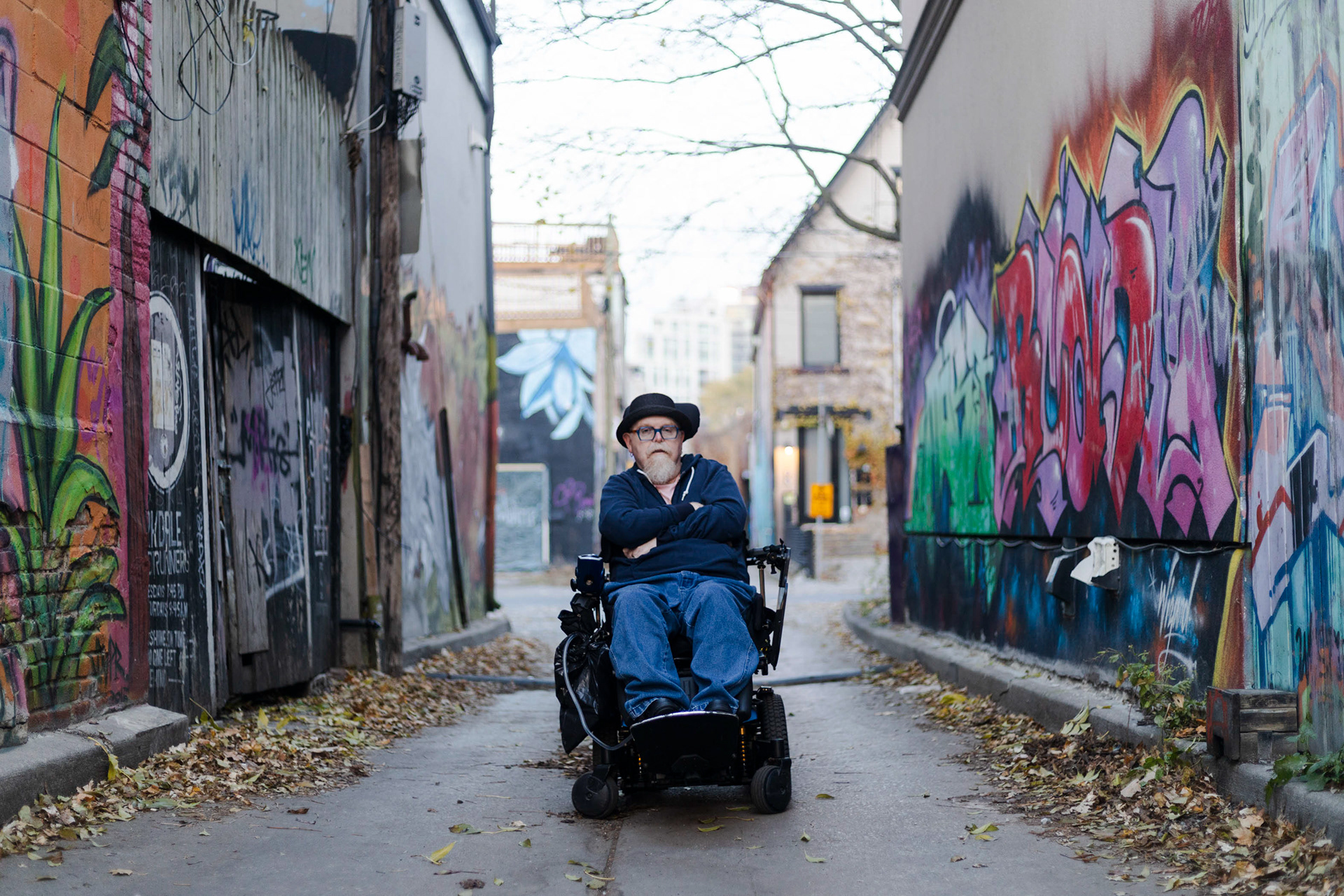
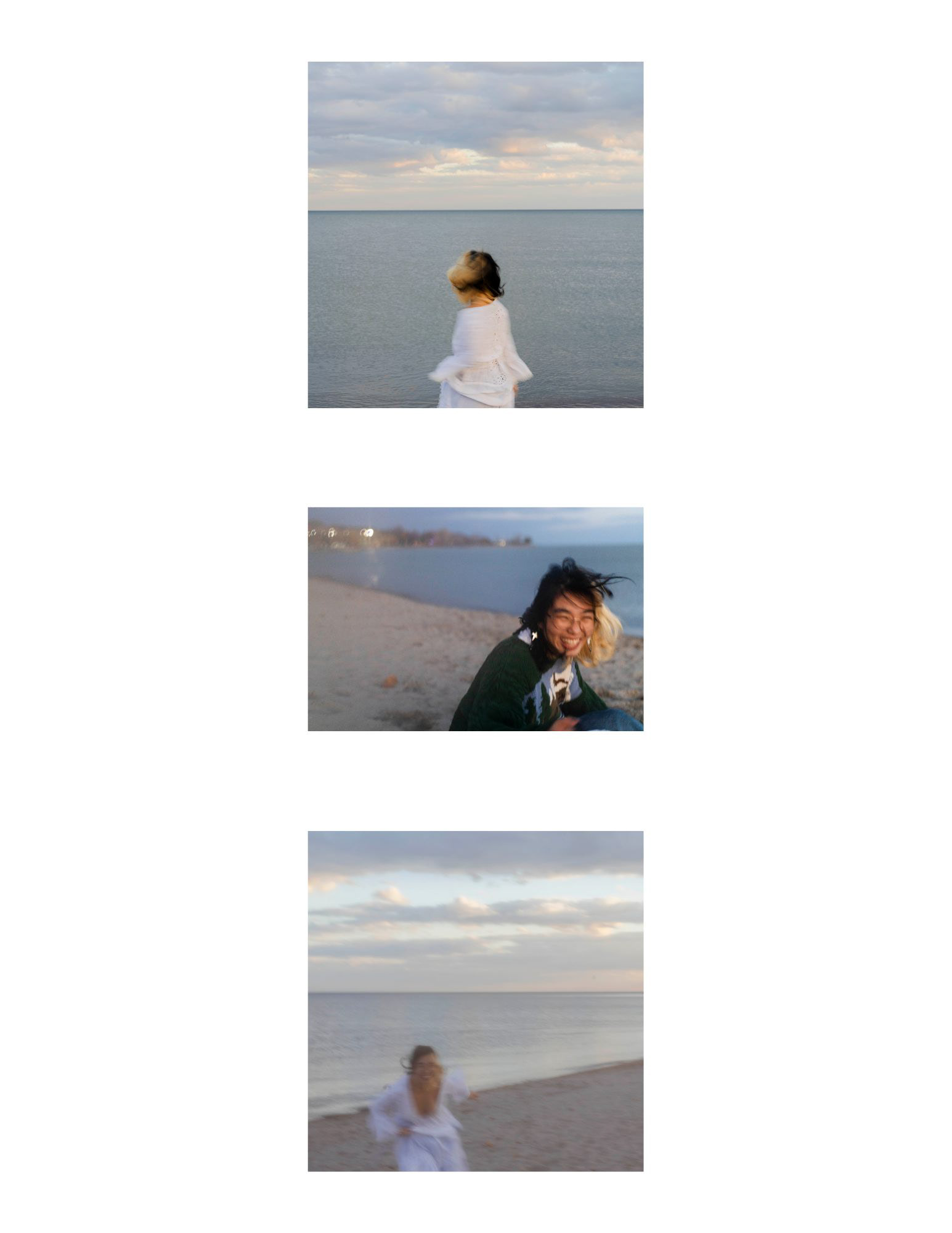
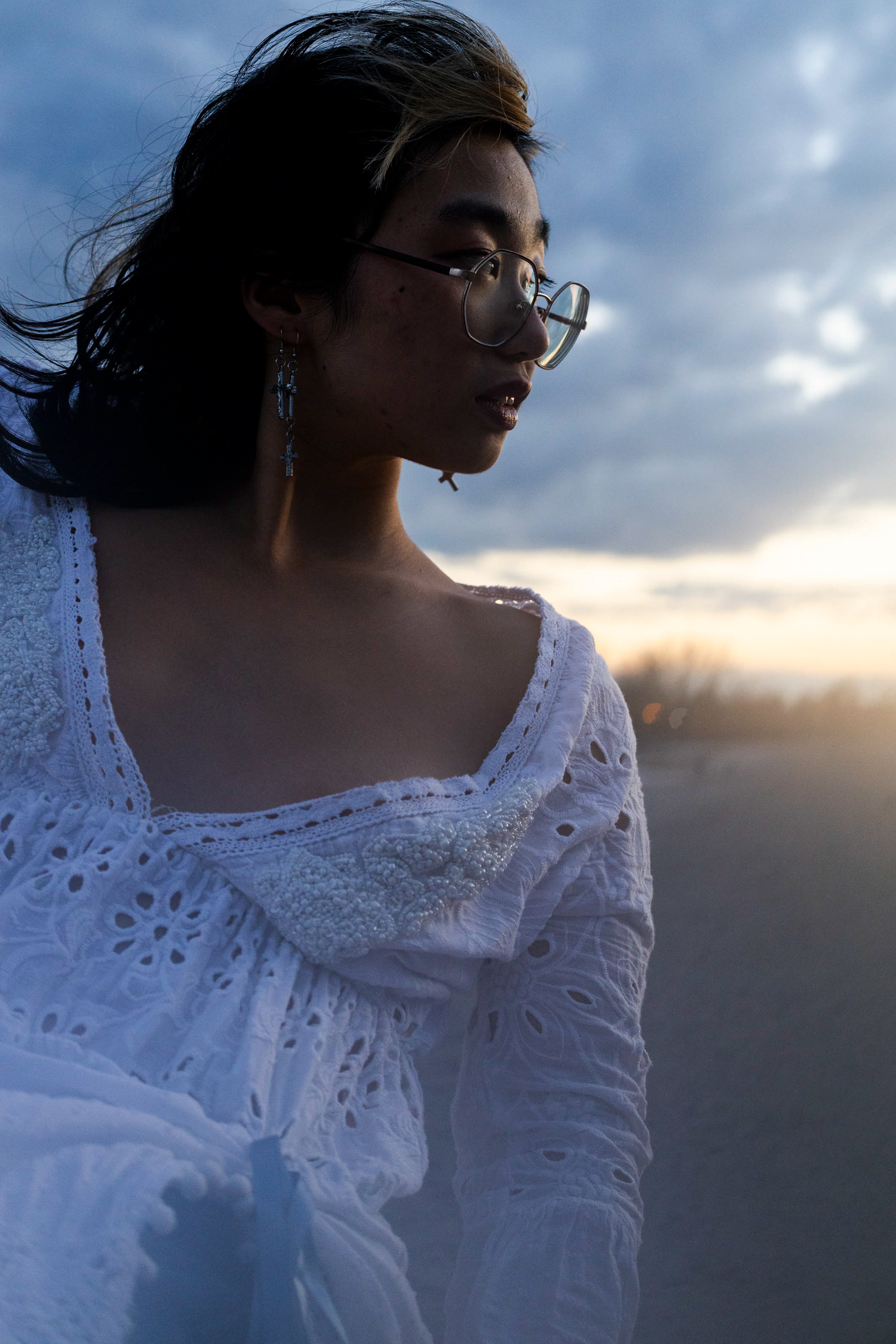
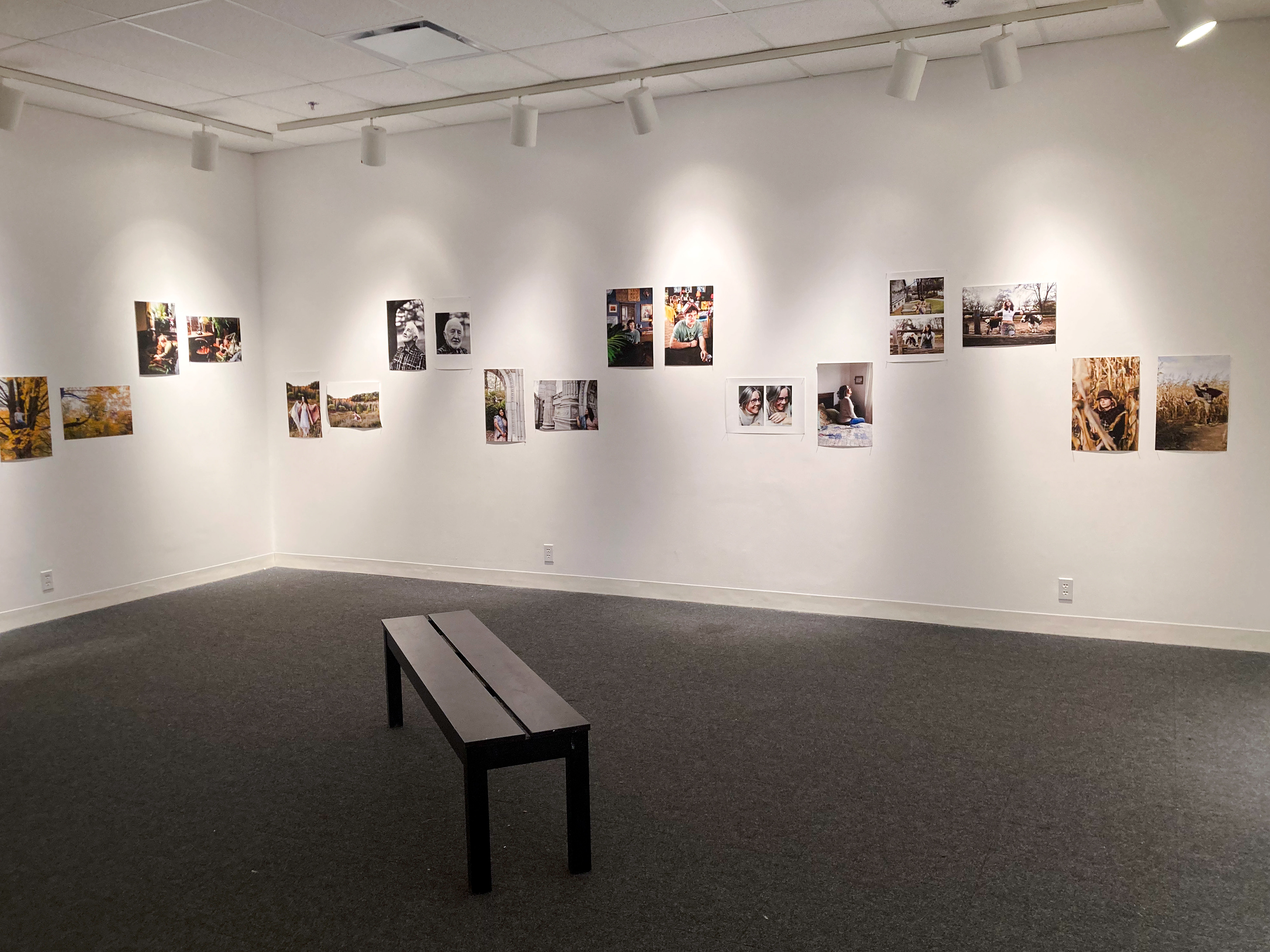
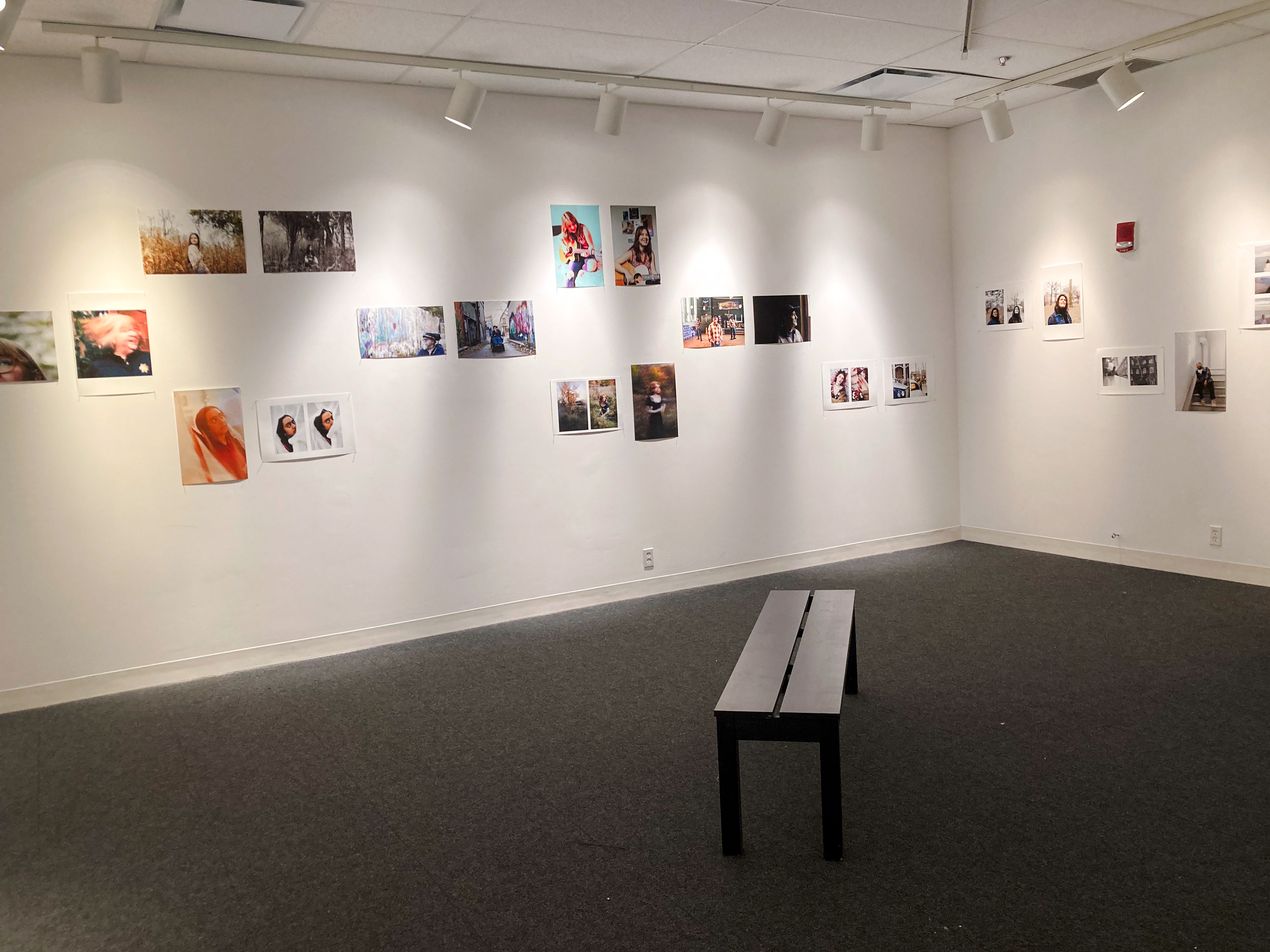
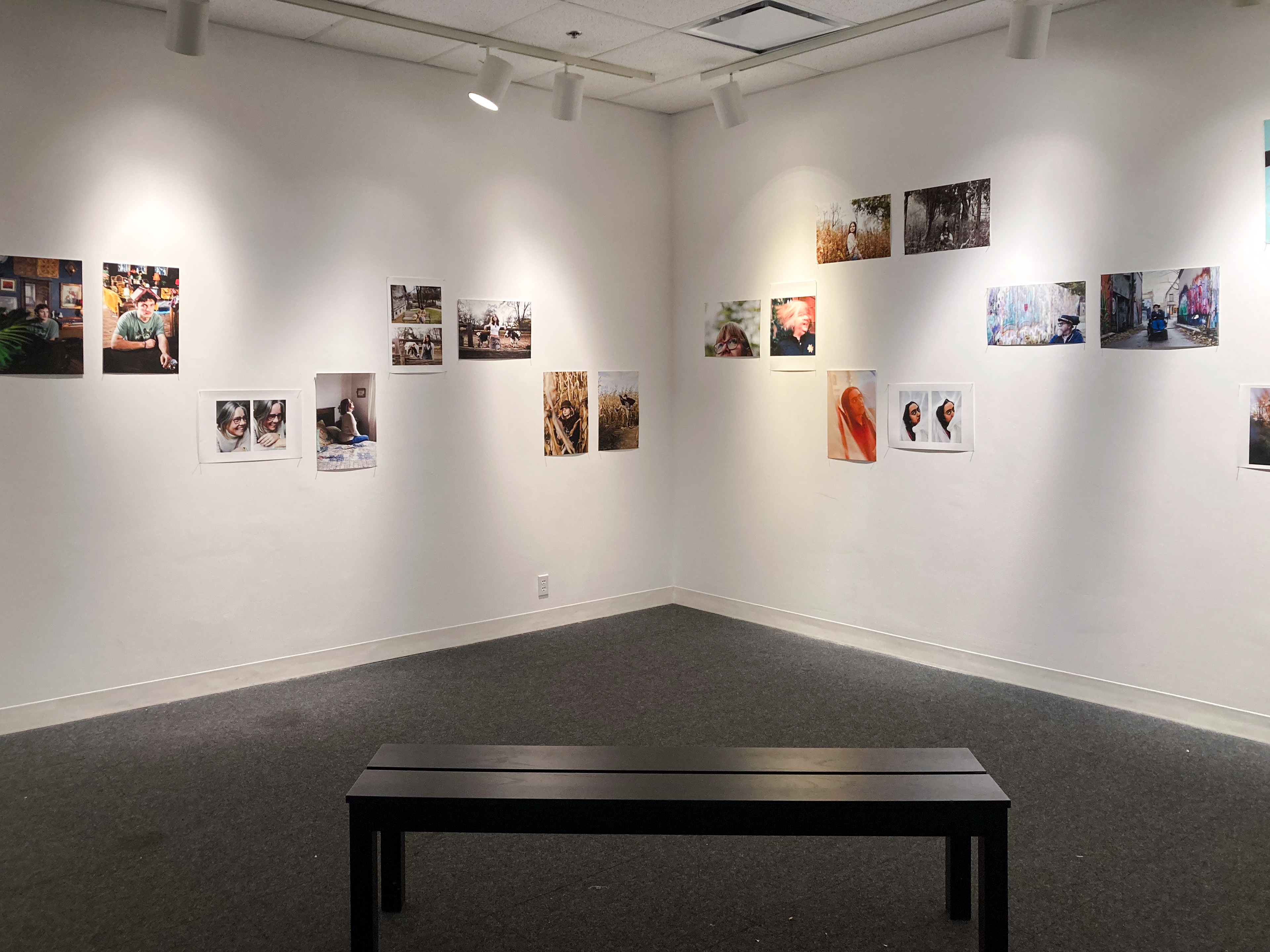
Photography's ability to precisely capture how people perceive themselves is thoroughly captivating. Being able to freeze someone's specific grin or the way they touch their own cheek is a phenomenon that feels utterly magical. Not Just an Image, but a Just Image is a portrait series centred around what it means to capture someone's true essence in a photograph and how that visualization changes depending on individual perception. It aims to present images that dig down to the root of what makes up someone's identity.
The core inspiration for this series is photography theorist Roland Barthes' investigation of what
makes photography specific as a method of imaging in his book Camera Lucida.
Near the end of his book, Barthes goes on a journey to find a photograph of his mother soon after her death that he feels truly captures her spirit. He seeks to find an image that wholeheartedly captures the truth and essence of the woman he loved so dearly, and he does it.
In his book he states:
"There I was, alone in the apartment where she had died, looking at these pictures of my mother, one by one under the lamp, gradually moving back in time with her, looking for the truth of the face I had loved. And I found it."
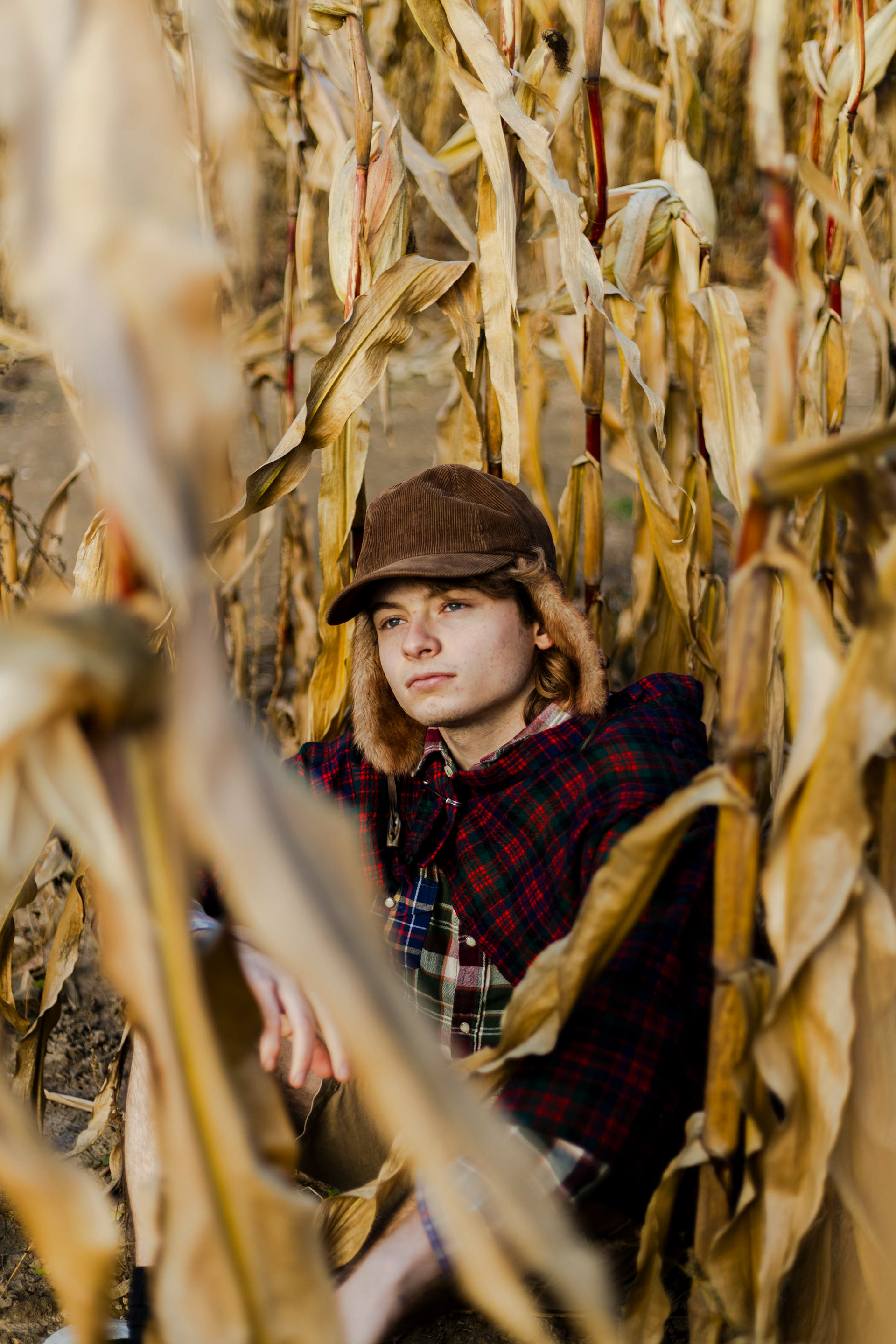
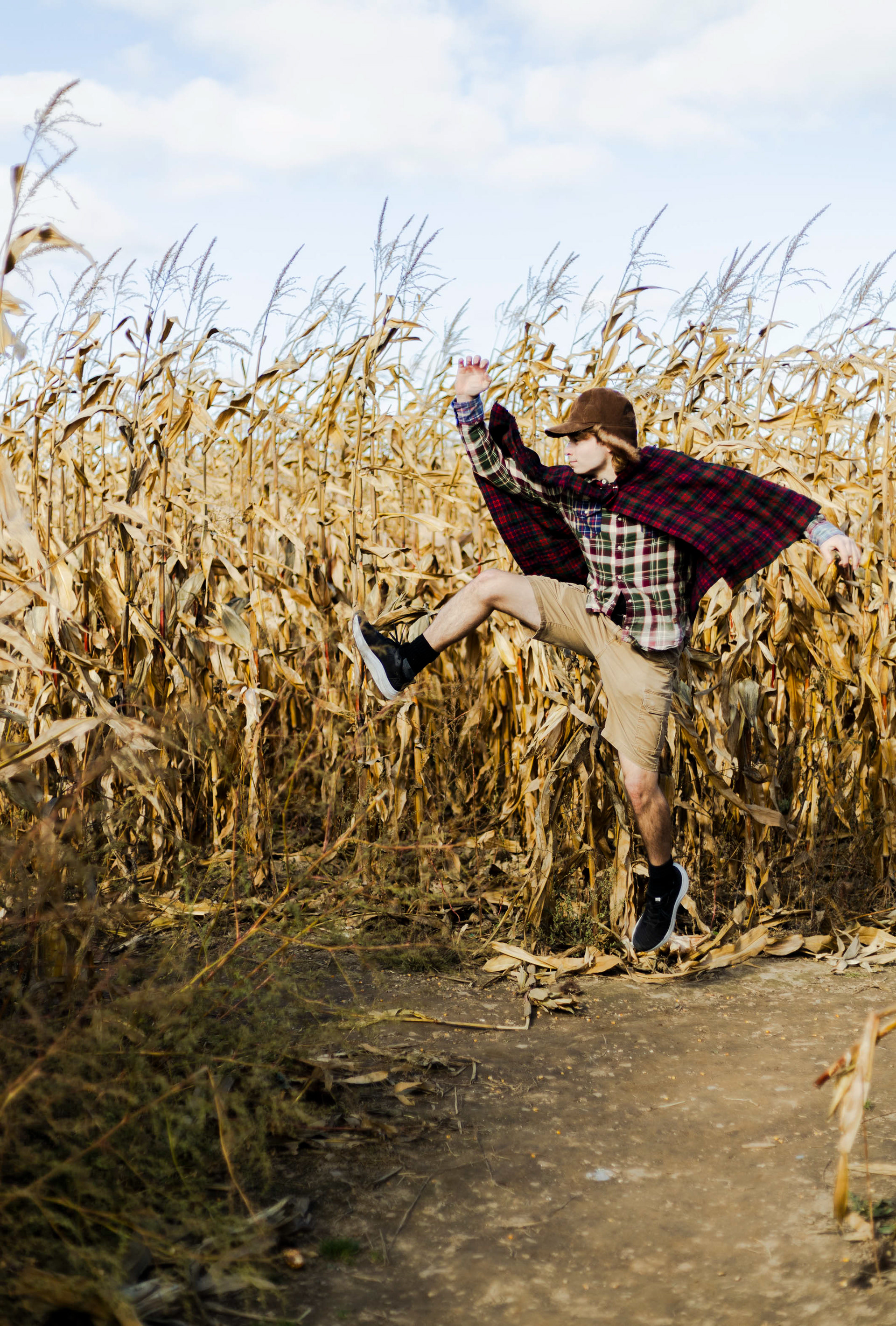
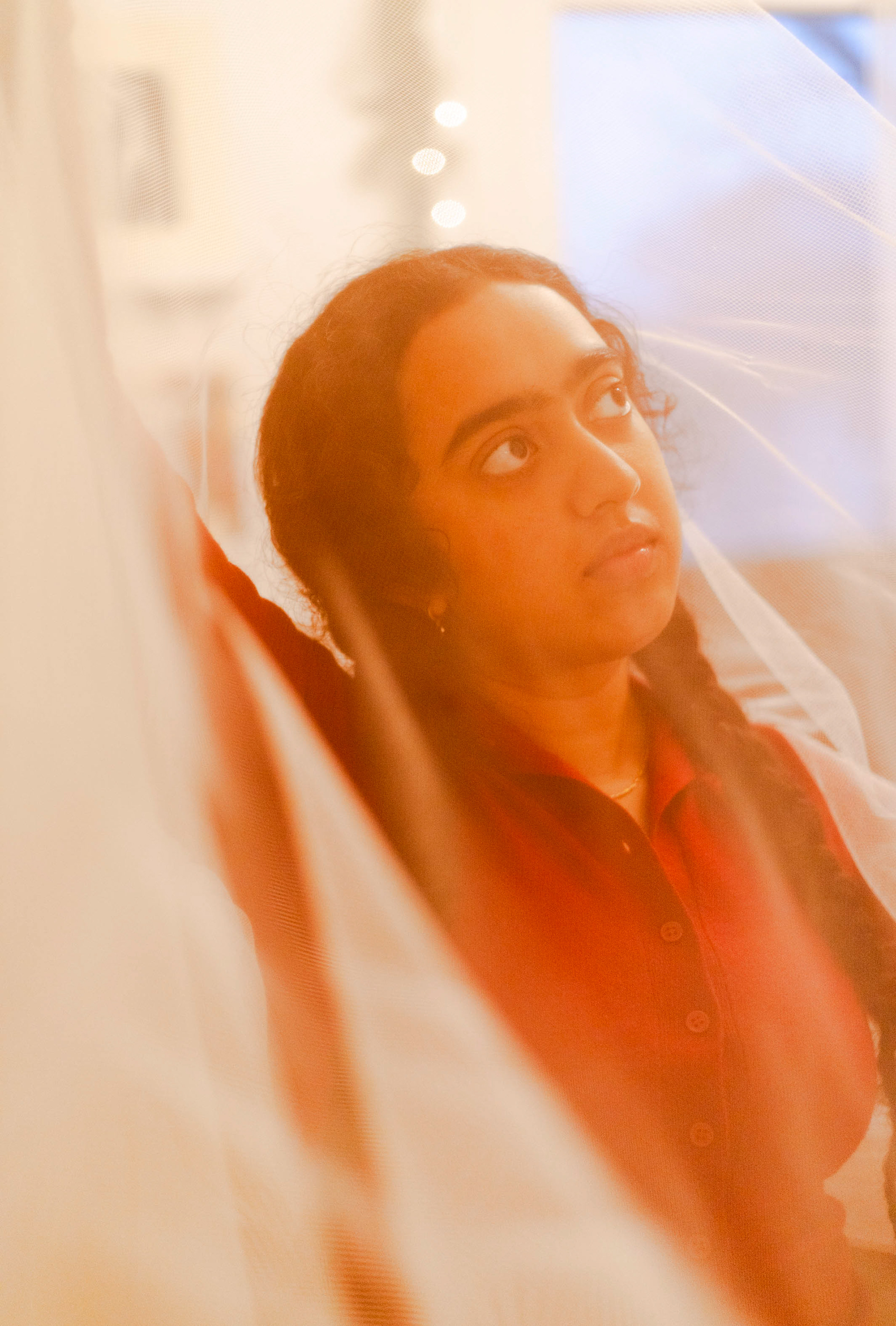
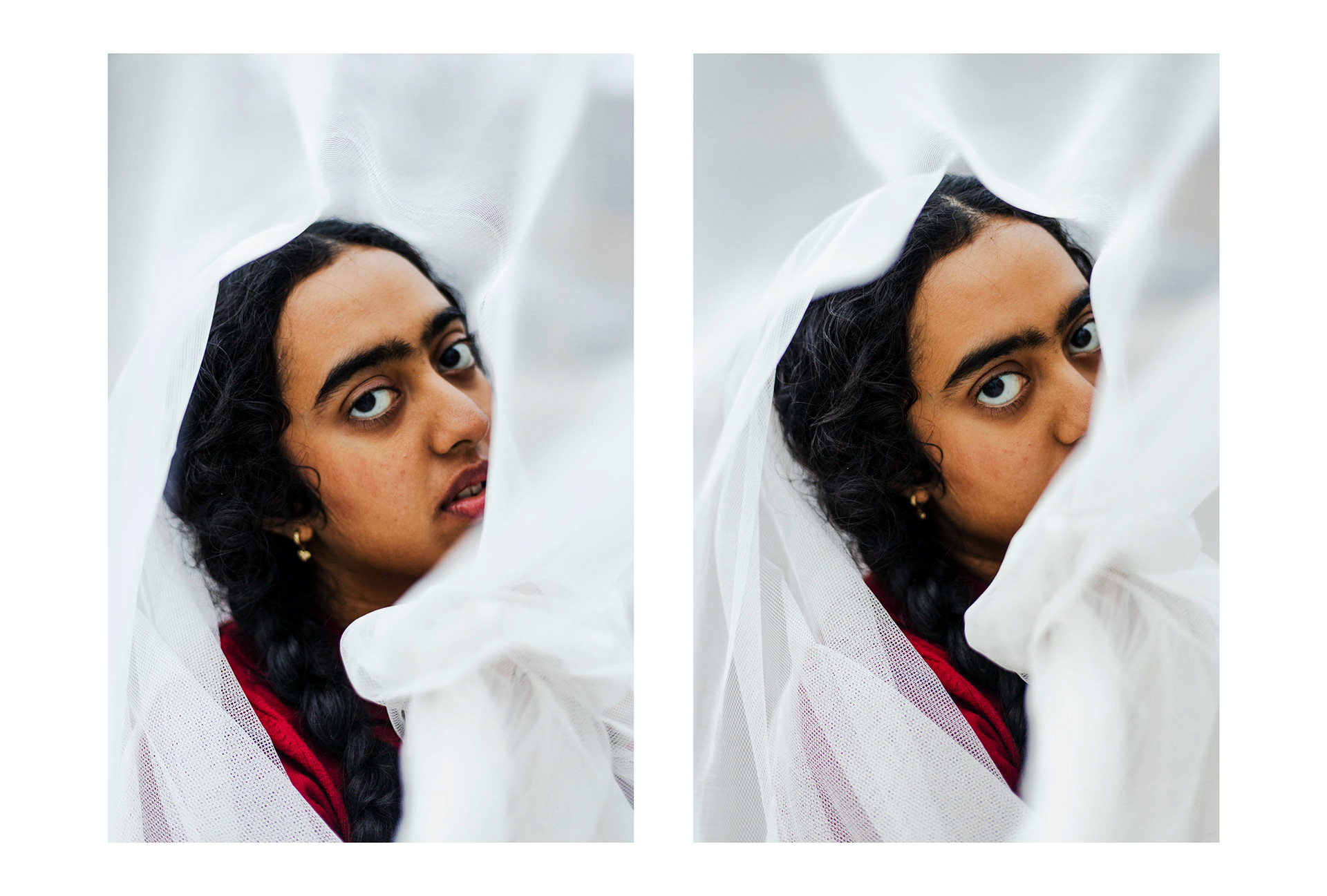
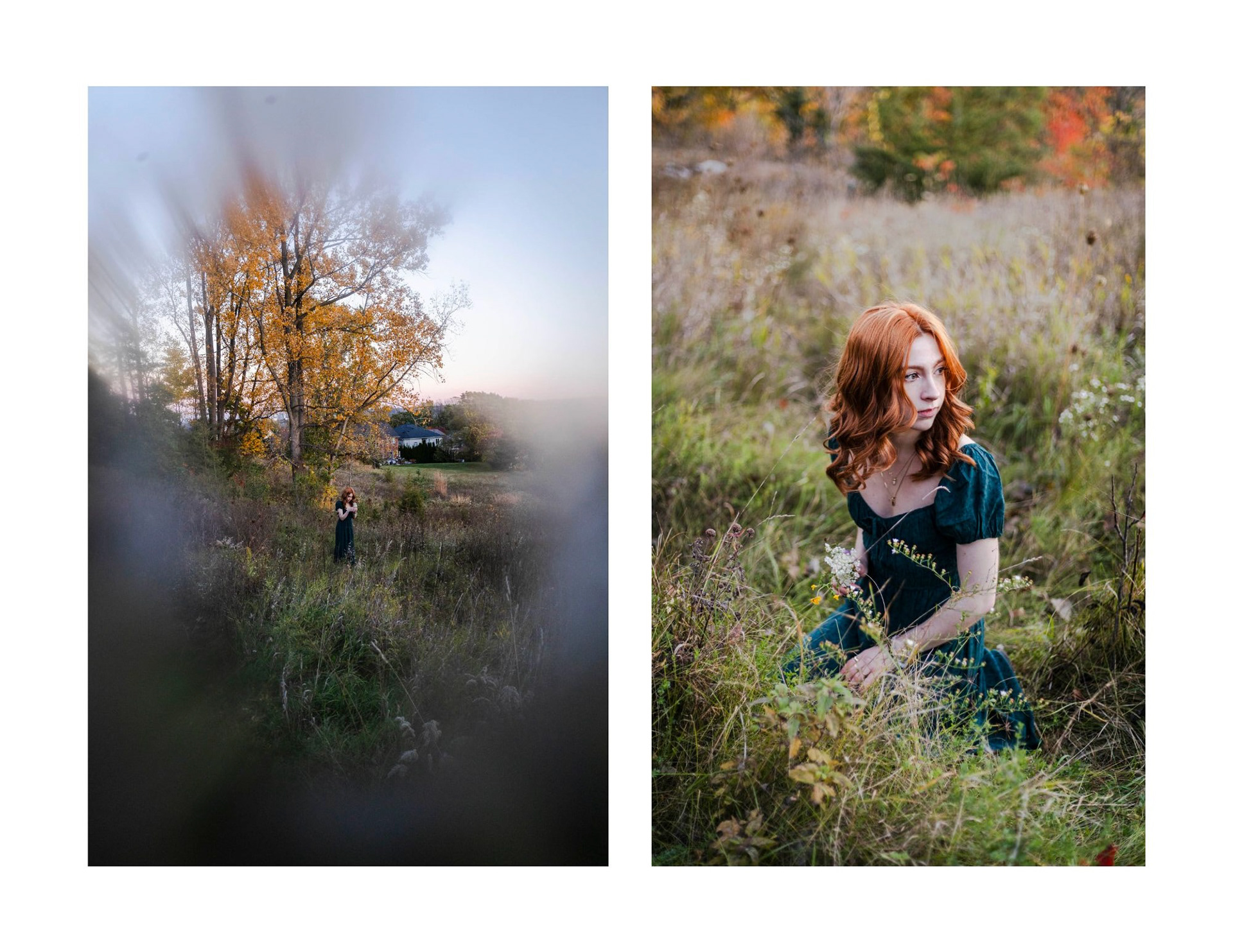
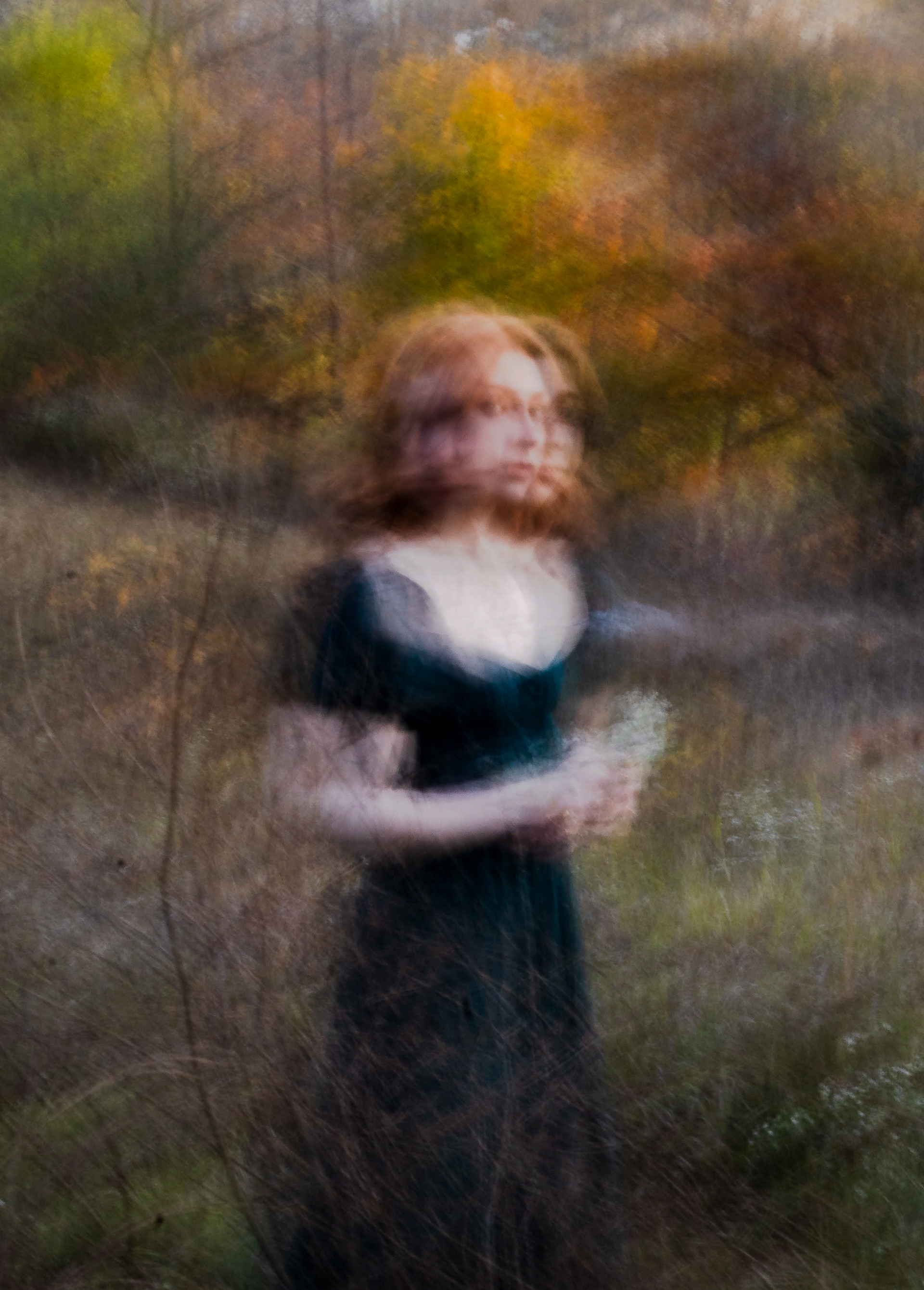
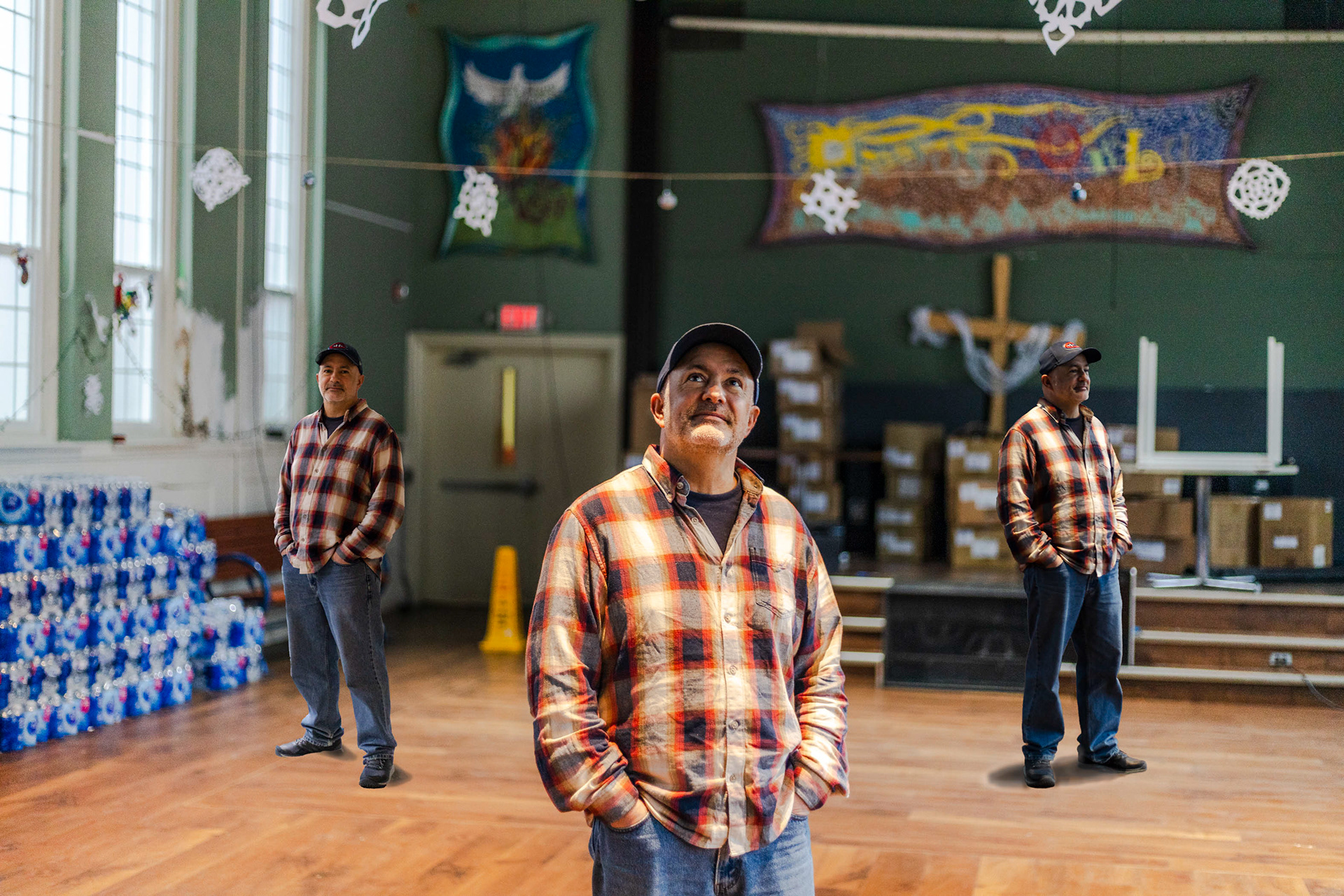
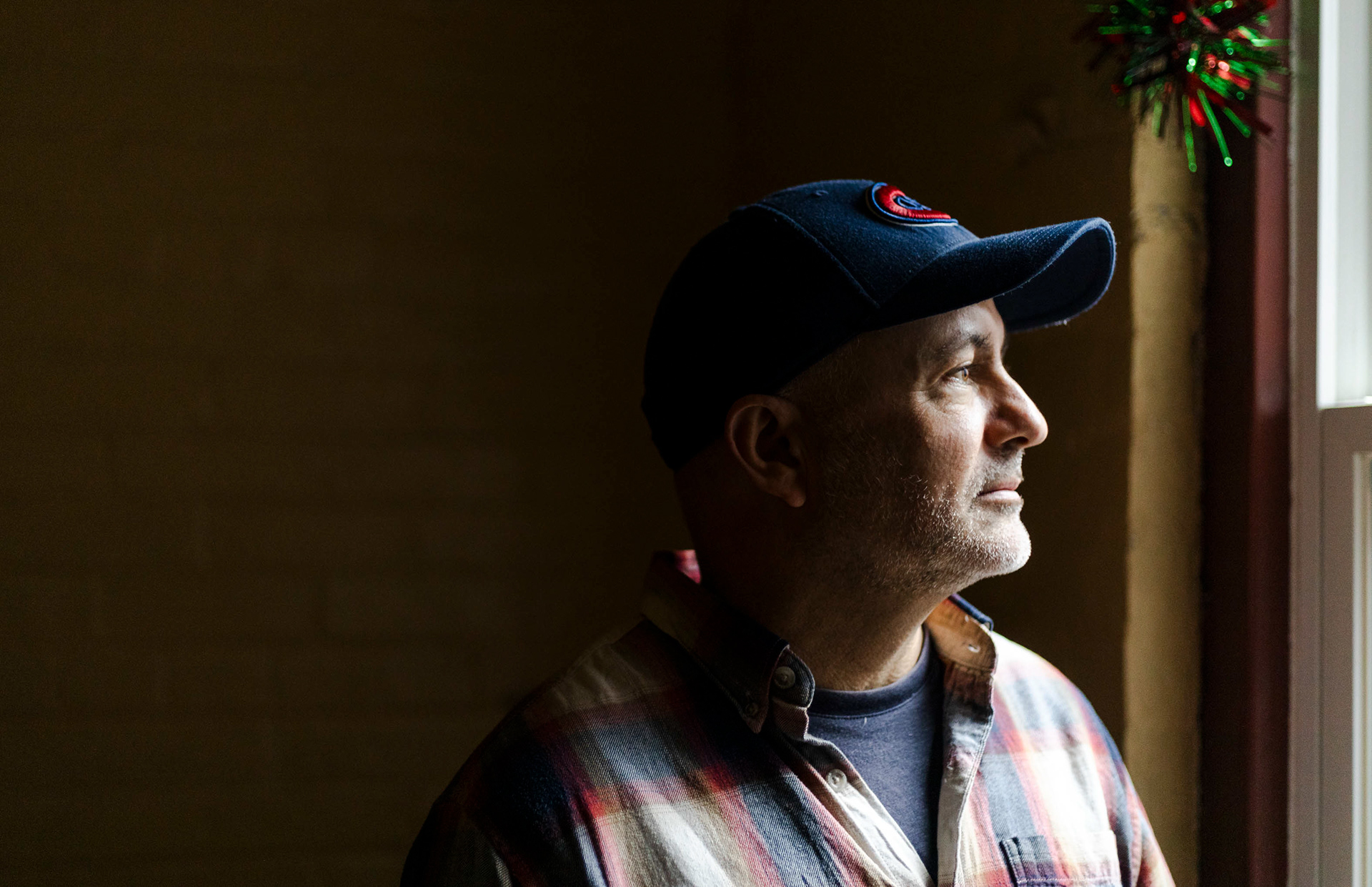
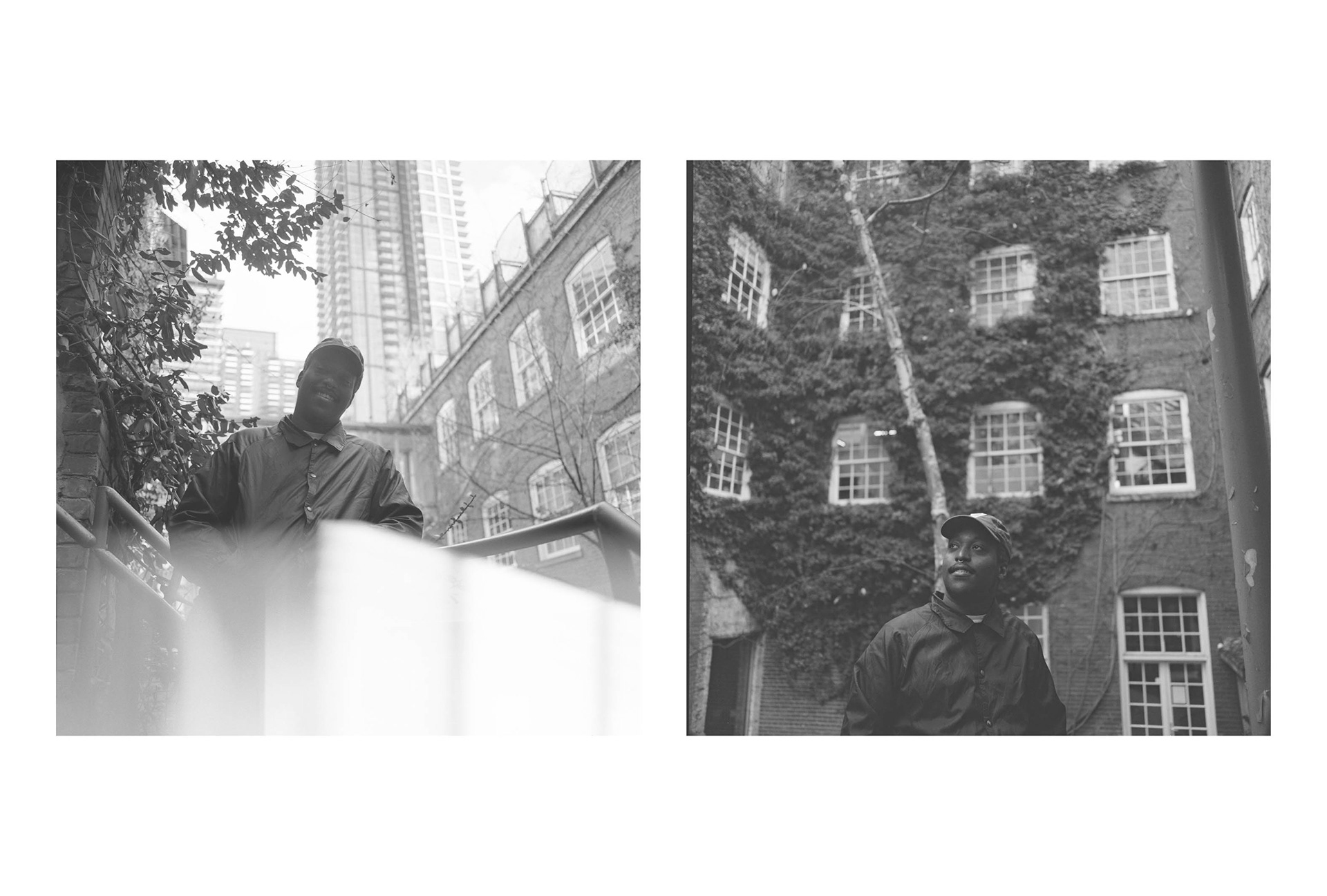
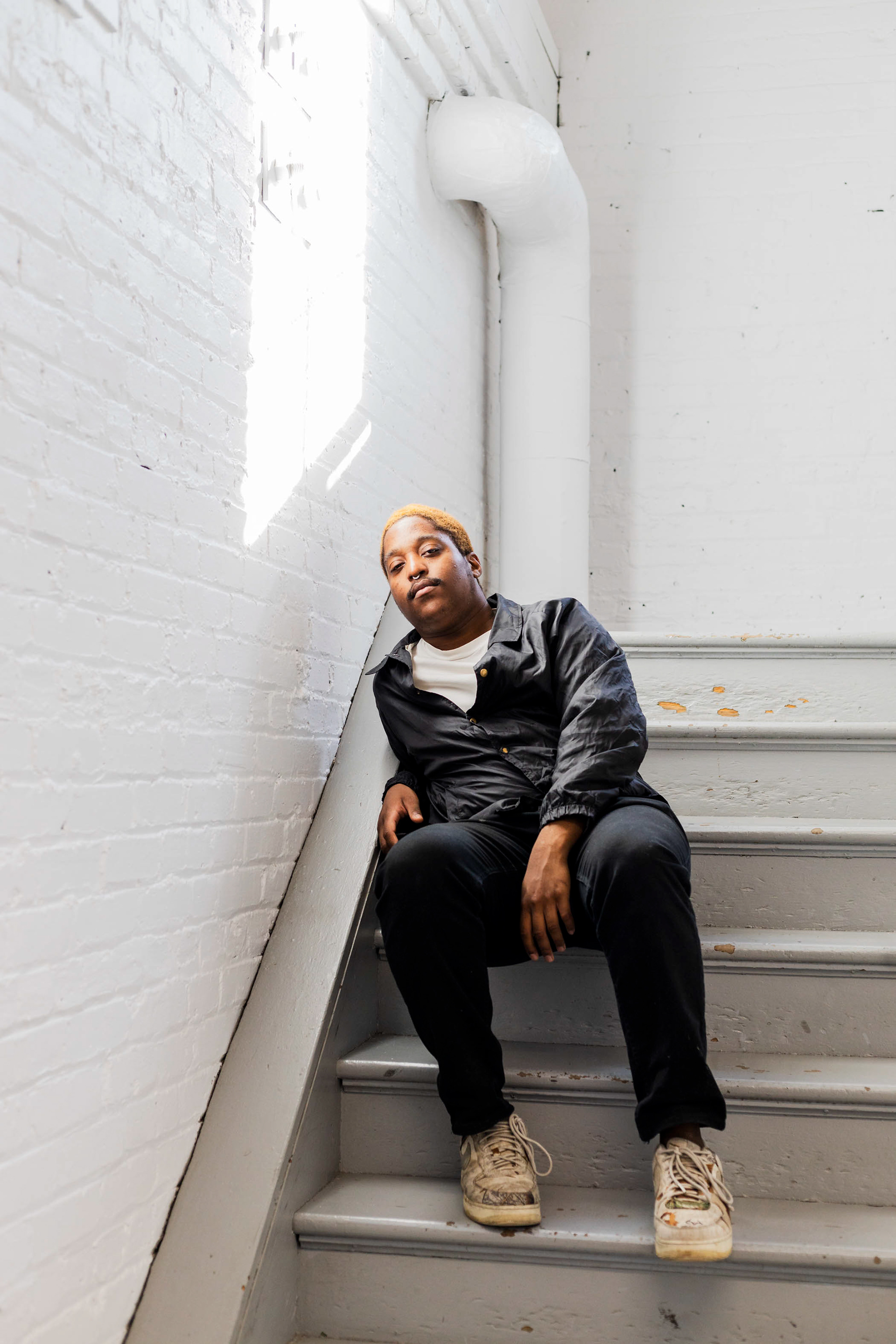
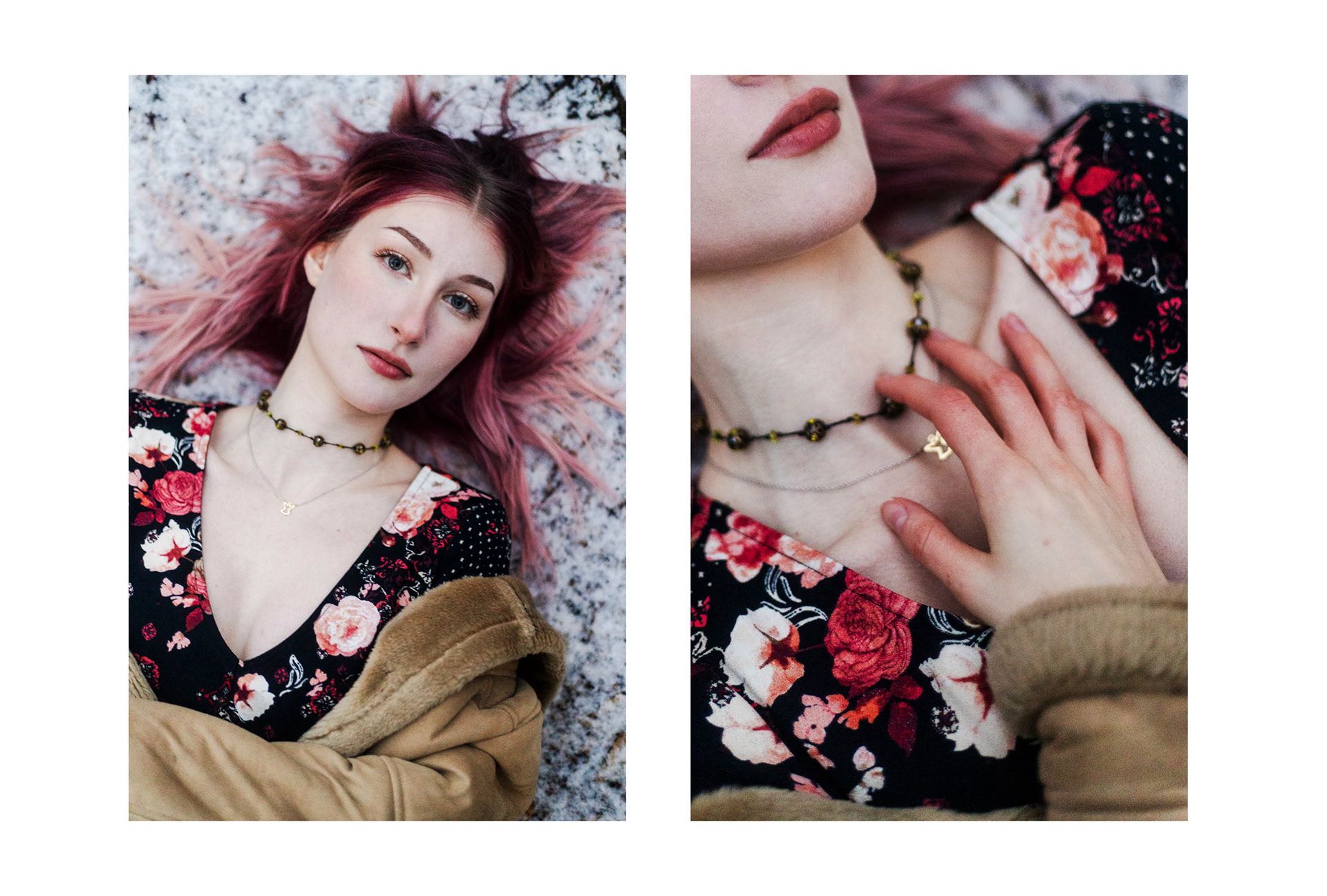
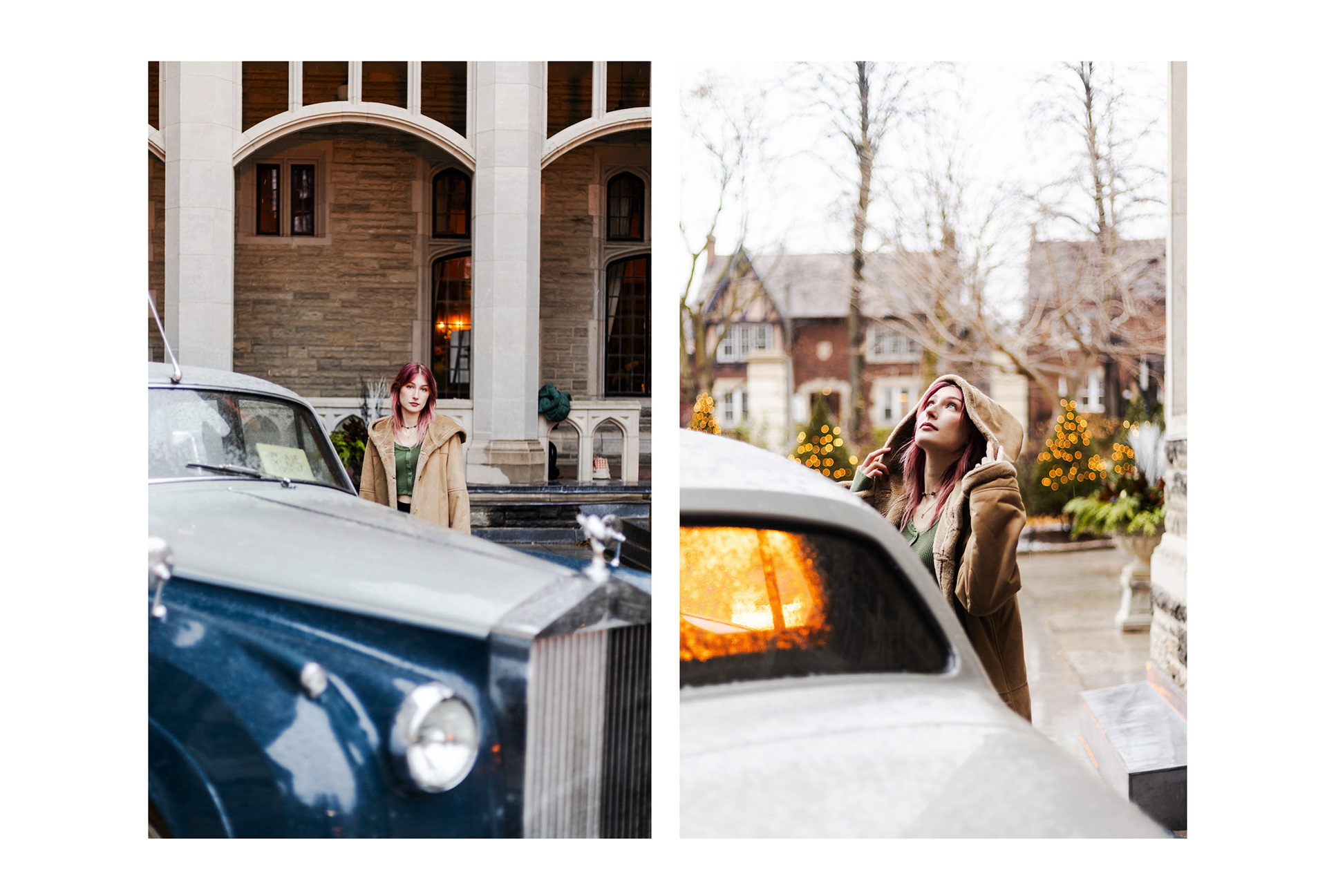
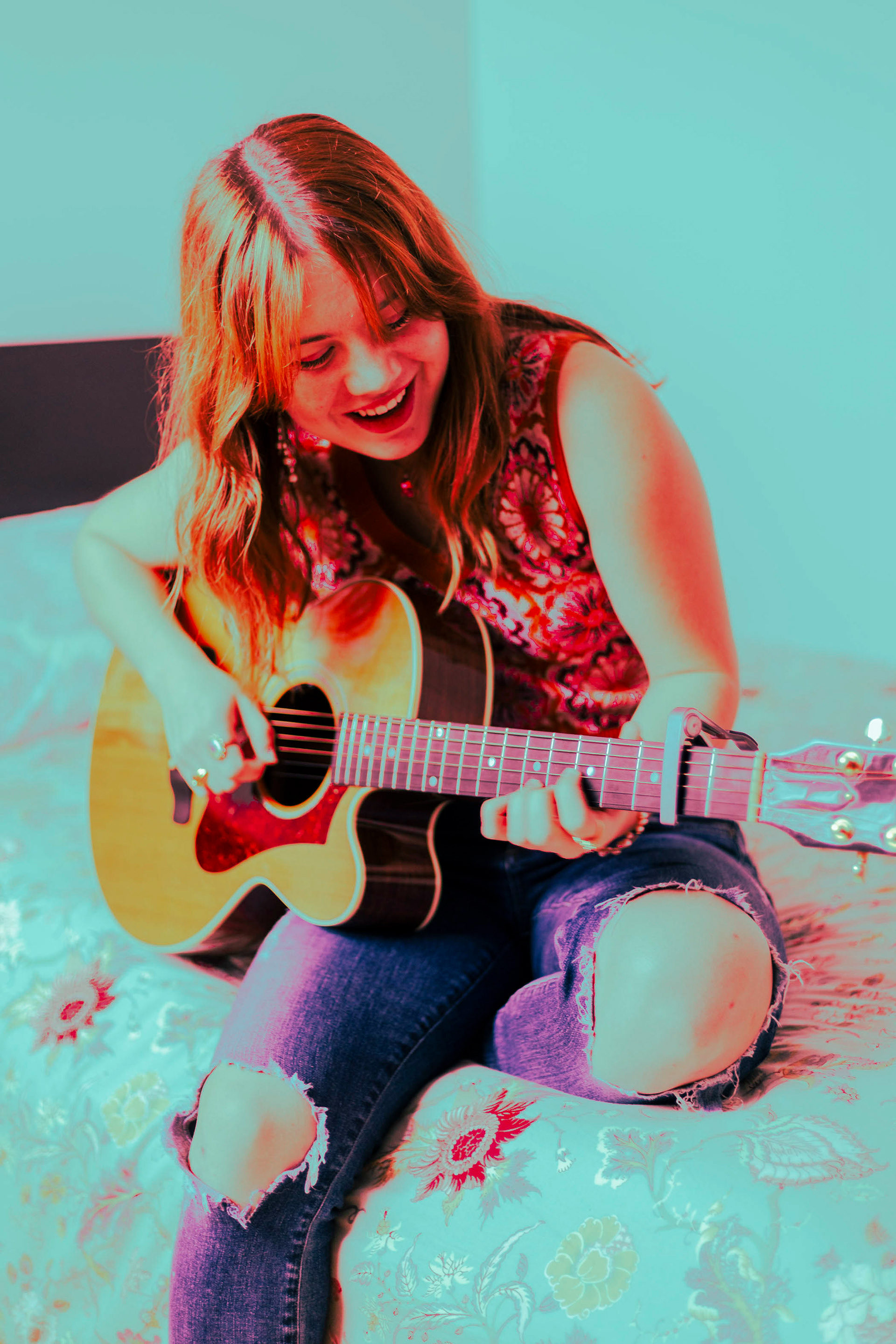
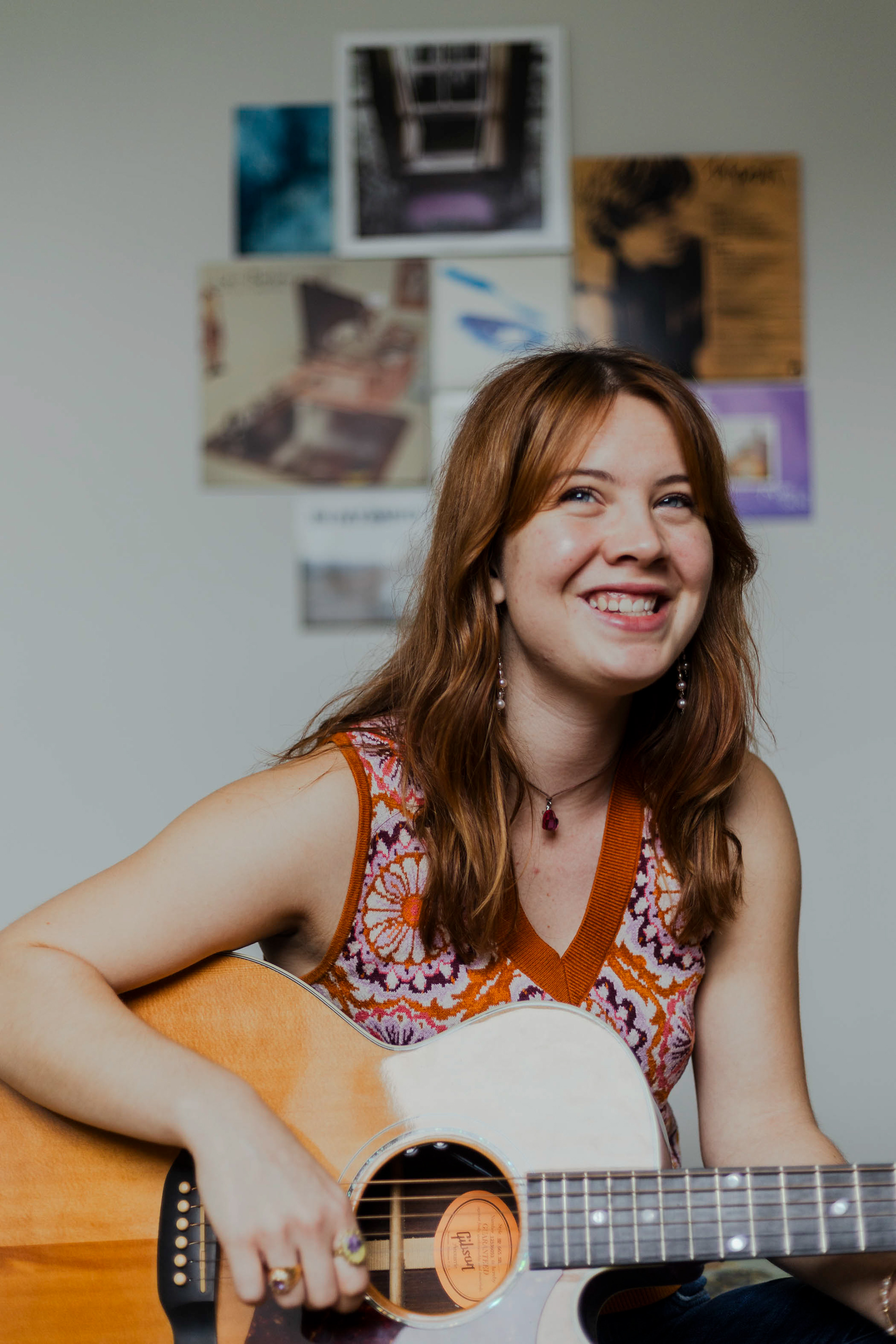
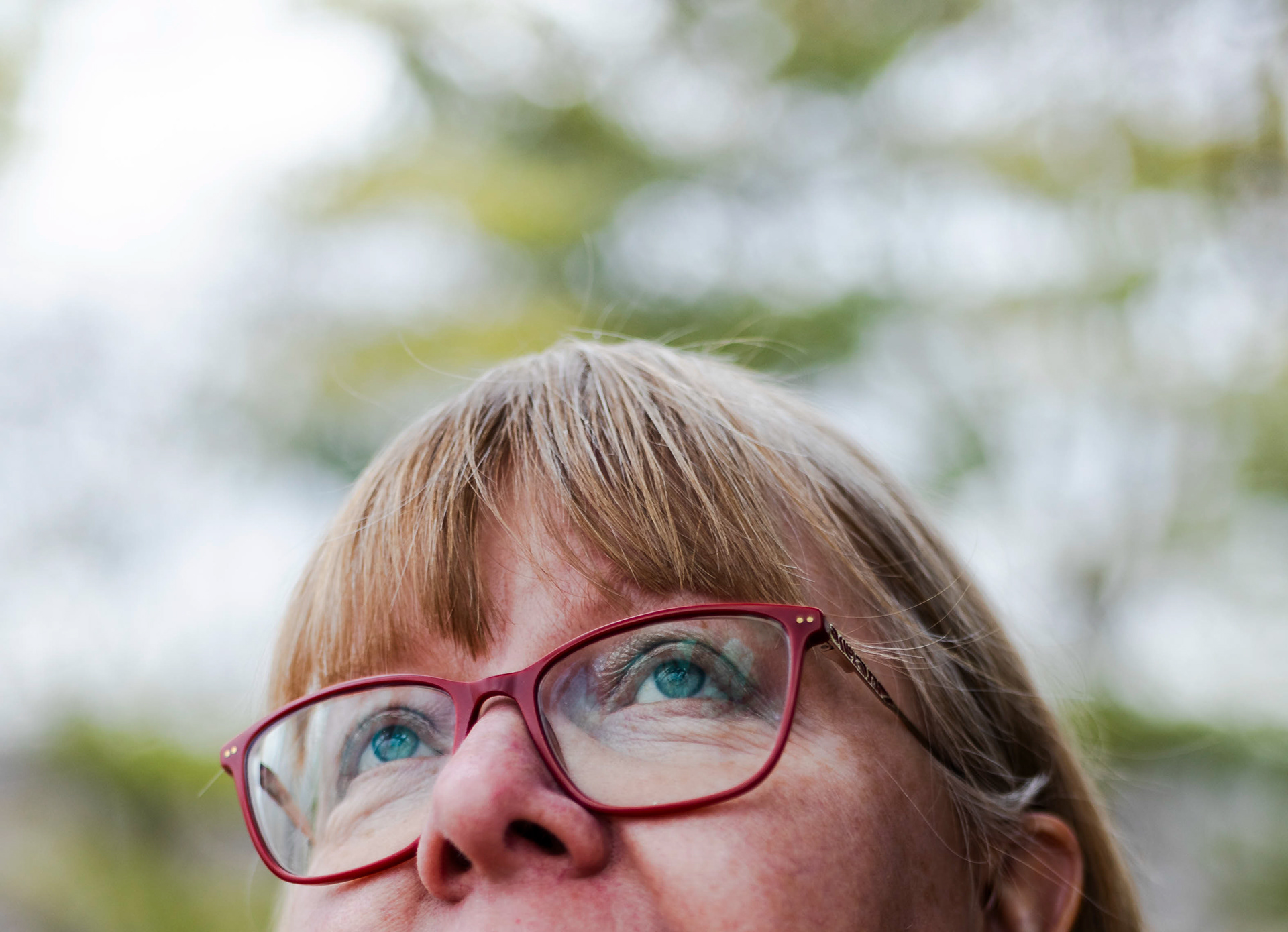
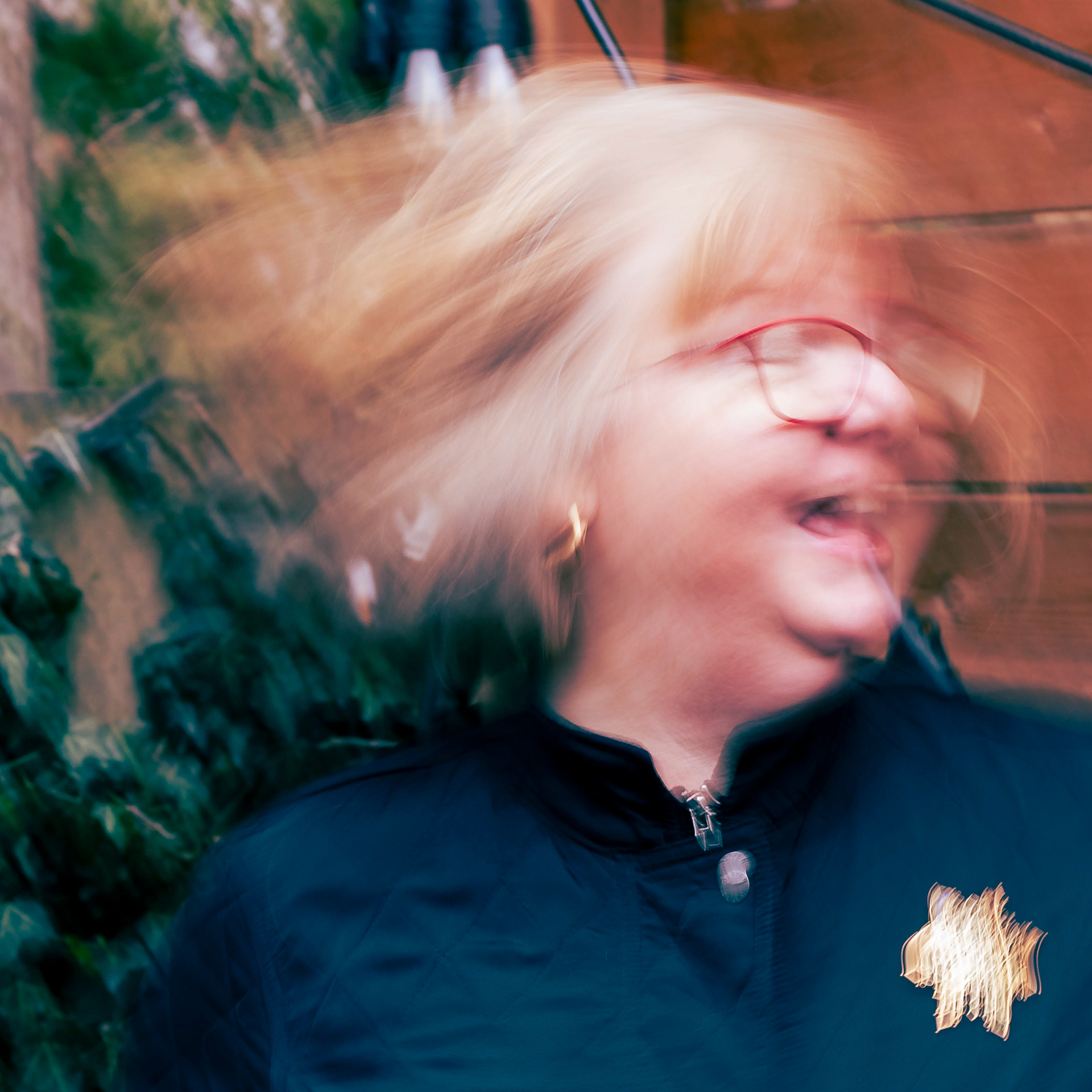
After days of looking through photographs of his mother, he comes across an image of her as a young girl, standing in a winter garden, and it was this image that accomplished the truth he craved. He writes: "My grief wanted a just image, an image which would be both justice and accuracy - justesse: just an image, but a just image. Such, for me, was the Winter Garden Photograph." Drawing on this beautiful story and understanding of what photography can be, Not Just an Image, but a Just Image aims to explore photography's ability to bottle the human spirit in real, honest, and unexpected ways. Each subject is displayed in 2 different portraits that are displayed side-by-side. While the image or diptych on the left was chosen by the person in the image, the image on the right was chosen by the photographer. Through interviewing each subject and getting to know their sense of identity, Cate was able to personalize each photoshoot to each individual with the aim of making a photograph that they felt wholeheartedly captured how they see themselves in genuine, thoughtful ways.
After meeting with each person to go through the images, the majority of the photographs people chose were not the ones Cate would have selected as the shots that captivated her the most. Therefore, the images that she felt most engaged and compelled by stand next to the images selected by the subjects to contrast the person's perspective vs. the photographer's perspective. While still focused on photography's ability to capture truth, Not Just an Image, but a Just Image represents how that truth changes depending on each person's perception. An image that feels honest to one may not feel honest to another. It is highly likely that the loved ones of the people photographed in this series would have all selected different images that they felt best captured the person they love. This brings up interesting questions about what identity means, and the difference in how we see ourselves vs. how others perceive us.
The core inspiration for this series is photography theorist Roland Barthes' investigation of what
makes photography specific as a method of imaging in his book Camera Lucida.
Near the end of his book, Barthes goes on a journey to find a photograph of his mother soon after her death that he feels truly captures her spirit. He seeks to find an image that wholeheartedly captures the truth and essence of the woman he loved so dearly, and he does it.
In his book he states:
"There I was, alone in the apartment where she had died, looking at these pictures of my mother, one by one under the lamp, gradually moving back in time with her, looking for the truth of the face I had loved. And I found it."
After days of looking through photographs of his mother, he comes across an image of her as a young girl, standing in a winter garden, and it was this image that accomplished the truth he craved. He writes: "My grief wanted a just image, an image which would be both justice and accuracy - justesse: just an image, but a just image. Such, for me, was the Winter Garden Photograph." Drawing on this beautiful story and understanding of what photography can be, Not Just an Image, but a Just Image aims to explore photography's ability to bottle the human spirit in real, honest, and unexpected ways. Each subject is displayed in 2 different portraits that are displayed side-by-side. While the image or diptych on the left was chosen by the person in the image, the image on the right was chosen by the photographer. Through interviewing each subject and getting to know their sense of identity, Cate was able to personalize each photoshoot to each individual with the aim of making a photograph that they felt wholeheartedly captured how they see themselves in genuine, thoughtful ways.
After meeting with each person to go through the images, the majority of the photographs people chose were not the ones Cate would have selected as the shots that captivated her the most. Therefore, the images that she felt most engaged and compelled by stand next to the images selected by the subjects to contrast the person's perspective vs. the photographer's perspective. While still focused on photography's ability to capture truth, Not Just an Image, but a Just Image represents how that truth changes depending on each person's perception. An image that feels honest to one may not feel honest to another. It is highly likely that the loved ones of the people photographed in this series would have all selected different images that they felt best captured the person they love. This brings up interesting questions about what identity means, and the difference in how we see ourselves vs. how others perceive us.